Beam 1.0 vs MiMo v2.6 Pro
Beam 1.0
Reflection AI · $1/M out · 0 HN pts
MiMo v2.6 Pro
Xiaomi · $0.87/M out · 169 HN pts
Only MiMo v2.6 Pro has CLI runs here (opencode).
Pelican
Generate an SVG of a pelican riding a bicycle


Watch
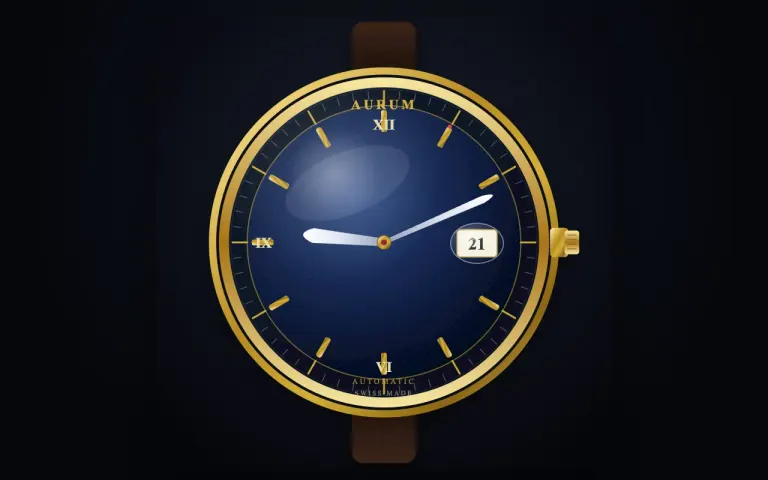
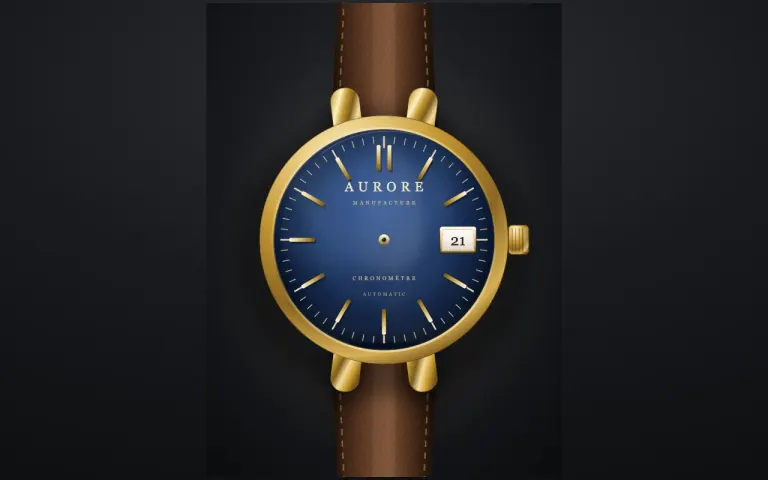
Draw a mechanical wristwatch that shows the current local time, with a sweeping seconds hand and a date window. Make it look expensive.
Landing
Build the landing page for Lumen Cycles, a Copenhagen workshop that builds custom cargo bikes to order. Make it look like a real brand you would trust with 4,000 euros.


Breakout
Make a Breakout game I can play right now with the keyboard or the mouse. Give it several levels, a score and some juice.


Logo
Design a logo for Night Heron, an independent bookshop that only opens after dark.


About
Write the opening of the About us page for Patchbay, a three-person studio in Rotterdam that repairs vintage synthesizers. About 150 words.
Patchbay is a three-person studio in Rotterdam devoted to repairing vintage synthesizers and keeping electronic instruments alive. We work with analog and digital keyboards, drum machines, and modular systems, restoring worn circuits, replacing fragile components, and returning each machine to reliable musical use. Our small team combines careful technical work with genuine respect for the instruments that shaped decades of music. Whether an instrument needs a routine service, a difficult diagnosis, or a full restoration, we approach it with patience, clear communication, and attention to detail. We believe these machines are not just equipment; they are tools with history, character, and sound worth preserving. Based in Rotterdam, we serve musicians, collectors, and studios who want their gear maintained properly and played again. At Patchbay, every repair is treated as a collaboration between craft and music, ensuring that classic synthesizers continue to inspire new sounds for years to come.
Patchbay is three people, one workbench, and a room in Rotterdam full of machines waiting to sing again. We met in a repair queue, argued about capacitor brands, and never quite stopped. Between us we hold about forty years of solder smoke: poly synths with dead voice boards, tape echoes turned to tar, modular systems grown quiet behind their patch points. We work slowly and in the open. Every fault is traced before a single part is ordered, every change is written down, and nothing leaves the studio sounding less like itself than when it arrived. Restoring a vintage synthesizer is not nostalgia. It is keeping a specific instrument, with a specific voice, in the hands of the people who play it. If yours is one of them, bring it in. We will tell you honestly what it needs, what it costs, and how long it will take.