Claude Haiku 5.5 vs Claude Sonnet 5.5
Claude Haiku 5.5
Anthropic · $0.5/M out · 1,071 HN pts
Claude Sonnet 5.5
Anthropic · $10/M out · 8 HN pts
Only Claude Sonnet 5.5 has CLI runs here (Claude Code).
Pelican
Generate an SVG of a pelican riding a bicycle


Watch
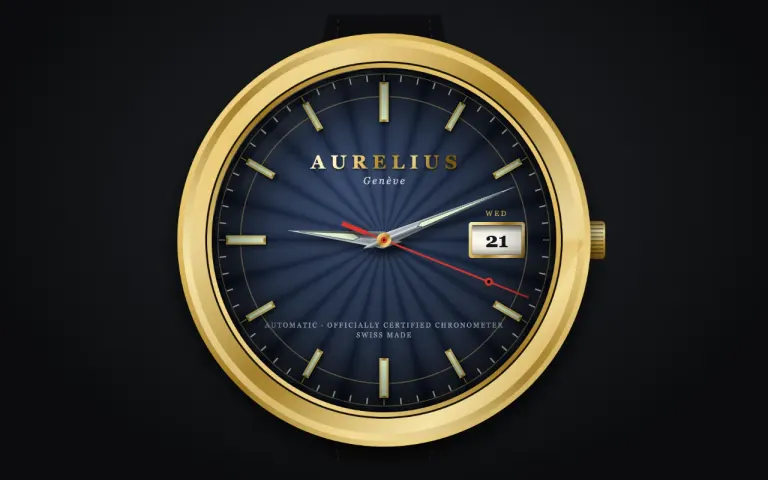
Draw a mechanical wristwatch that shows the current local time, with a sweeping seconds hand and a date window. Make it look expensive.

Landing
Build the landing page for Lumen Cycles, a Copenhagen workshop that builds custom cargo bikes to order. Make it look like a real brand you would trust with 4,000 euros.


Breakout
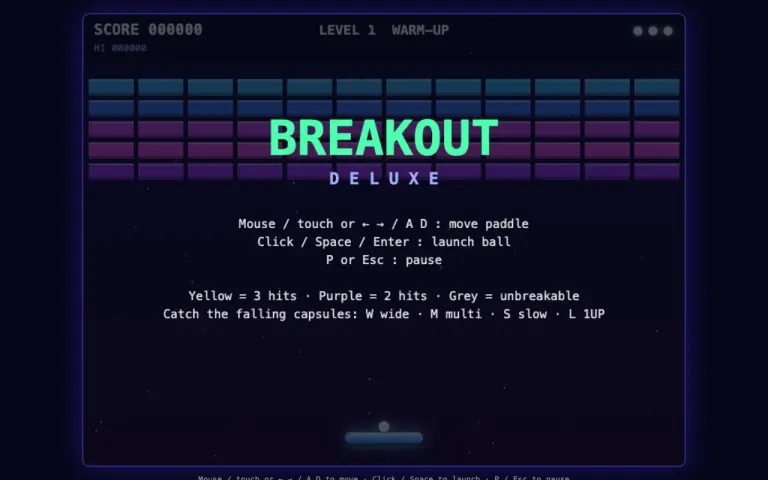
Make a Breakout game I can play right now with the keyboard or the mouse. Give it several levels, a score and some juice.

Logo
Design a logo for Night Heron, an independent bookshop that only opens after dark.


About
Write the opening of the About us page for Patchbay, a three-person studio in Rotterdam that repairs vintage synthesizers. About 150 words.
Patchbay is a three-person studio in Rotterdam, and we spend our days inside vintage synthesizers. We are repair technicians first: we open the cases, replace the leaking capacitors, re-tune the oscillators that have drifted out of pitch, and bring back the filters that went silent decades ago. Our bench is crowded with service manuals, spare chips, and a soldering station that has seen more Moog panels than we can count. We started the studio because we kept meeting musicians whose favourite instruments sat unused in cupboards, not because they were broken beyond saving but because nobody nearby knew how to fix them. We still believe most of these machines can be made to sing again, and we would rather spend an afternoon finding the one bad resistor than see another good synth end up in a skip.
Patchbay is three people in a workshop in Rotterdam, trying to keep old synthesizers alive. We repair, restore and recalibrate the instruments that shaped electronic music: Moogs and Oberheims, Rolands and Sequential Circuits, the odd temperamental Soviet oddity that someone found in an attic.
Most of what lands on our benches has been silent for years. A crackling pot, a drifting oscillator, a power supply that gave up in 1994. Some come from working musicians who need their instrument back before the next tour. Others come from people who inherited a dusty box from a parent and want to hear what it sounds like.
We work slowly and by hand. We trace faults with a scope and a schematic, source or rebuild parts when originals are gone, and change as little as we can. Every synth leaves with a note describing exactly what we did, so the next person to open it knows where we have been.
Come by, bring your synth, and stay for coffee.