Mercury 3 vs DeepSeek V4.1 Flash
Mercury 3
Inception · $0.35/M out · 255 HN pts
DeepSeek V4.1 Flash
DeepSeek · $0.375/M out · 1,482 HN pts
Only DeepSeek V4.1 Flash has CLI runs here (Command Code).
Pelican
Generate an SVG of a pelican riding a bicycle


Watch
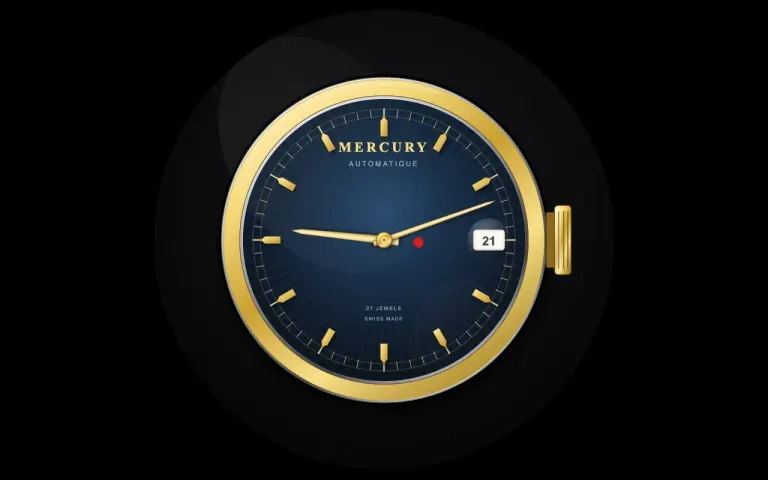
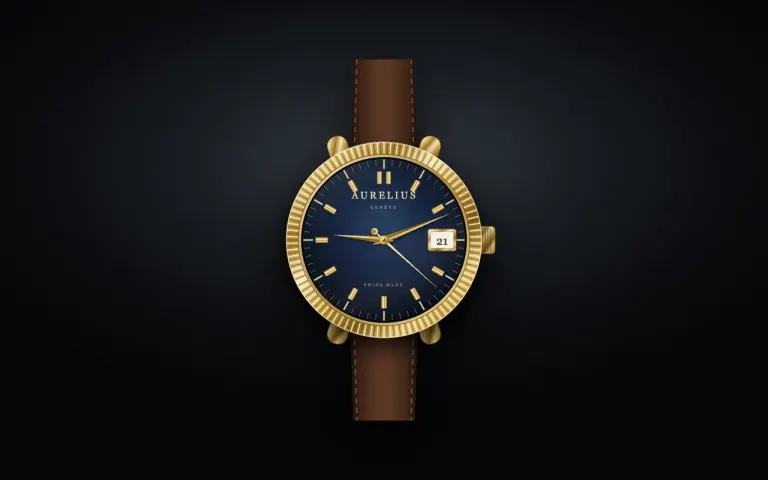
Draw a mechanical wristwatch that shows the current local time, with a sweeping seconds hand and a date window. Make it look expensive.
Landing
Build the landing page for Lumen Cycles, a Copenhagen workshop that builds custom cargo bikes to order. Make it look like a real brand you would trust with 4,000 euros.


Breakout
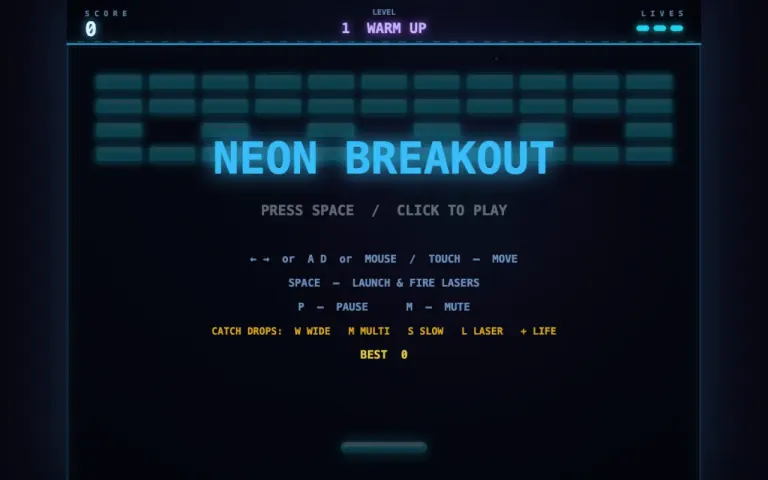
Make a Breakout game I can play right now with the keyboard or the mouse. Give it several levels, a score and some juice.

Logo
Design a logo for Night Heron, an independent bookshop that only opens after dark.


About
Write the opening of the About us page for Patchbay, a three-person studio in Rotterdam that repairs vintage synthesizers. About 150 words.
Patchbay is a three-person repair studio in Rotterdam, tucked between a bike shop and a coffee roastery, where vintage synthesizers come to live another life. We are not a factory and we are not a museum; we are technicians who love the smell of warm solder and the patience that old circuits demand. Between us we have restored everything from early Moog modulars to battered Junos, and we treat each instrument as if it were the first one we ever opened. There is no assembly line here. Every capacitor is tested, every busbar tracked by hand, and every voice board is listened to twice—once on the bench, once through the speakers of the synth that will use it. Patchbay exists because these machines deserve more than a quick fix. They deserve someone who knows their quirks, their failures, and the strange, beautiful sounds that made us fall in love with them in the first place.
Patchbay is a three-person workshop in Rotterdam, tucked into an old warehouse where the light is good and the benches are always covered in parts. We repair vintage synthesizers — the analog giants, the odd Japanese curiosities, the machines that were built to last and mostly have. Between us we've spent decades tracing dead oscillators, recapping power supplies, and coaxing behaviour back out of circuits that other people had given up on. We work slowly, because these instruments reward patience, and we test everything by ear as well as by meter. Some arrive barely alive; some just need one stubborn voice brought back into tune. Either way, we treat each one as a piece of history worth keeping in use. If it makes sound, we'd like to hear it again.