Pareto 26.9 vs GLM 5.3 Prime
Pareto 26.9
Unbiased · $7.5/M out · 0 HN pts
GLM 5.3 Prime
Z.ai · $8.8/M out · 0 HN pts
Pelican
Generate an SVG of a pelican riding a bicycle


Watch
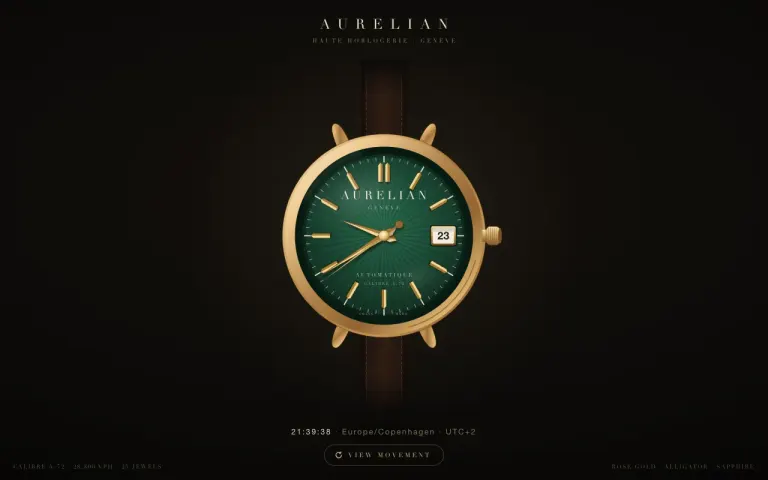
Draw a mechanical wristwatch that shows the current local time, with a sweeping seconds hand and a date window. Make it look expensive.

Landing
Build the landing page for Lumen Cycles, a Copenhagen workshop that builds custom cargo bikes to order. Make it look like a real brand you would trust with 4,000 euros.


Breakout
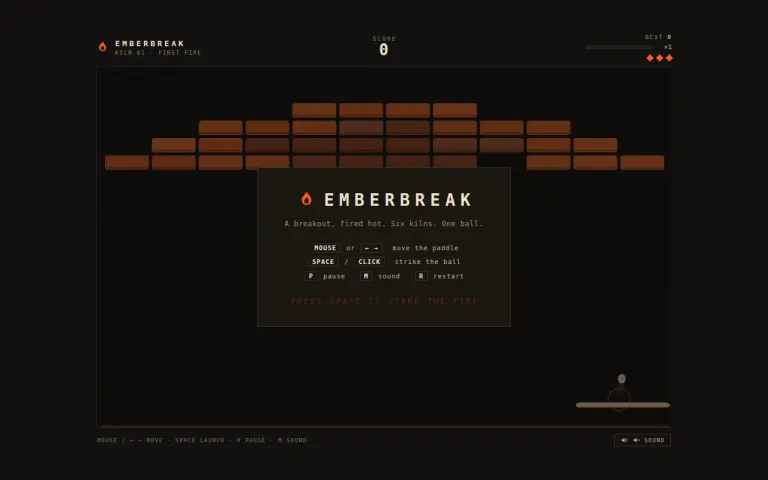
Make a Breakout game I can play right now with the keyboard or the mouse. Give it several levels, a score and some juice.

Logo
Design a logo for Night Heron, an independent bookshop that only opens after dark.


About
Write the opening of the About us page for Patchbay, a three-person studio in Rotterdam that repairs vintage synthesizers. About 150 words.
Patchbay is a small workshop in the heart of Rotterdam, where three people spend their days elbow-deep in the guts of vintage synthesizers. We fix the machines that made the sounds you grew up with—the ones that shaped entire genres and then got left in basements when the tech moved on. But we're not a museum. Our benches are covered in solder, schematics, and the occasional broken key that's been there for two weeks longer than we'd like to admit.
We started this studio because we got tired of seeing classic gear being stripped for parts, or worse, turned into Instagram decor. These instruments deserve better. They were built to make noise, and we want to keep them doing exactly that.
Between the three of us, we've fixed everything from a 1960s Buchla to a beat-up Juno that fell down a flight of stairs. If you've got a synth that's gone quiet, bring it in. We'll bring it back.
Some of the machines we work on were built before any of us were born. Patchbay is a three-person repair studio in Rotterdam, and what we do is simple to describe: we keep vintage synthesizers playing. A Minimoog that sat in an attic for thirty years. A Juno-60 with keys that no longer speak. A modular system that hums where it should roar. Whatever comes through our door gets opened up, traced through, and brought back.
That means rebuilding power supplies, cleaning a thousand key contacts, chasing a fault across three boards until it turns out to be a single cracked solder joint. It means calibrating oscillators that have drifted for decades, and listening — really listening — until a filter sounds the way it did the day it left the factory.
We do this because these instruments still sound like nothing else, and because somewhere a player is waiting to hear one come back to life.