Mercury 3 vs Claude Opus 5.5
Mercury 3 took 7 min 31 s and $0.065 at list price, Claude Opus 5.5 took 11 min 46 s and $1.57 at list price. Claude Opus 5.5 took 1.6× as long and cost 24× as much.
Mercury 3
Inception · $0.35/M out · 258 HN pts
Claude Opus 5.5
Anthropic · $20.00/M out · 2,737 HN pts
Only Claude Opus 5.5 has CLI runs here (Claude Code).
Pelican
Generate an SVG of a pelican riding a bicycle


Watch
Draw a mechanical wristwatch that shows the current local time, with a sweeping seconds hand and a date window. Make it look expensive.
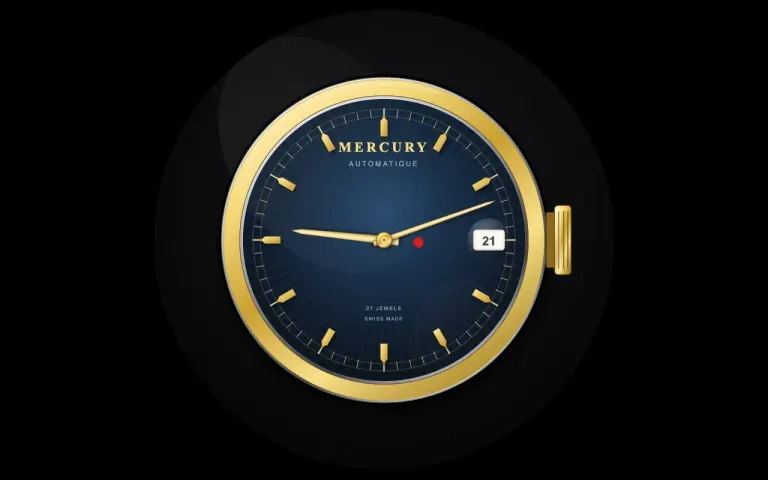
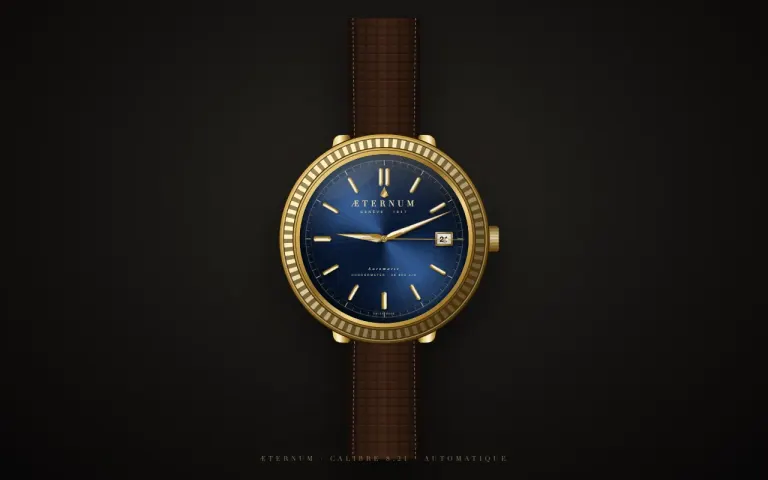
Landing
Build the landing page for Lumen Cycles, a Copenhagen workshop that builds custom cargo bikes to order. Make it look like a real brand you would trust with 4,000 euros.


Breakout
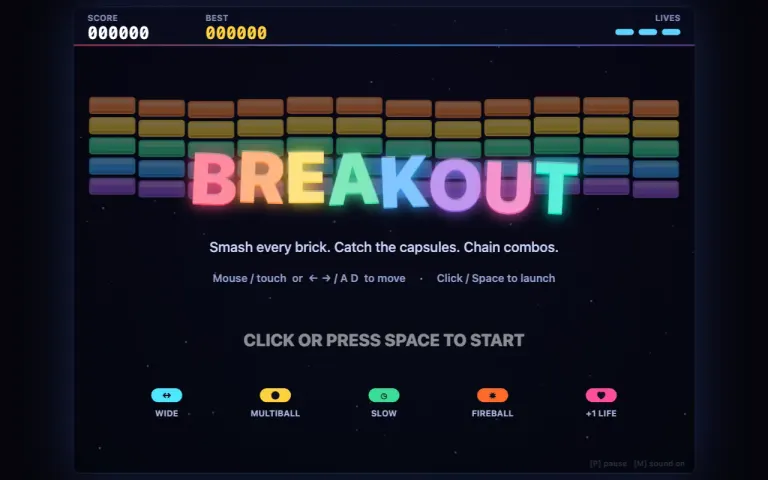
Make a Breakout game I can play right now with the keyboard or the mouse. Give it several levels, a score and some juice.

Logo
Design a logo for Night Heron, an independent bookshop that only opens after dark.


About
Write the opening of the About us page for Patchbay, a three-person studio in Rotterdam that repairs vintage synthesizers. About 150 words.
Patchbay is a three-person repair studio in Rotterdam, tucked between a bike shop and a coffee roastery, where vintage synthesizers come to live another life. We are not a factory and we are not a museum; we are technicians who love the smell of warm solder and the patience that old circuits demand. Between us we have restored everything from early Moog modulars to battered Junos, and we treat each instrument as if it were the first one we ever opened. There is no assembly line here. Every capacitor is tested, every busbar tracked by hand, and every voice board is listened to twice—once on the bench, once through the speakers of the synth that will use it. Patchbay exists because these machines deserve more than a quick fix. They deserve someone who knows their quirks, their failures, and the strange, beautiful sounds that made us fall in love with them in the first place.
Patchbay is three people in a narrow workshop near the Maas in Rotterdam. Every day we open up instruments that were built before most of their current owners were born. Some arrive in flight cases and some come wrapped in old bath towels. Most have a story: a Juno that went quiet halfway through a gig, a Minimoog left in someone's attic for thirty years, or a modular system that a previous technician gave up on.
We started Patchbay because we kept seeing good synthesizers sent off as "unrepairable" when all they needed was patience, a schematic and a steady hand. We swap out dried capacitors, hunt for intermittent faults, recalibrate oscillators until they track properly again, and source or rebuild parts that stopped being made decades ago.
We don't try to make old machines sound new. Our job is to make them sound like themselves again, and to make sure they keep working for the next person who plays them.
Specs and numbers
| Mercury 3 | Claude Opus 5.5 | |
|---|---|---|
| Maker | Inception | Anthropic |
| Made in | US | US |
| Released | 16 Oct 2026 | 22 Sep 2026 |
| Price in, per M tokens | $0.10 | $4.00 |
| Price out, per M tokens | $0.35 | $20.00 |
| Context | 1,000,000 tokens | 1,000,000 tokens |
| Weights | closed | closed |
| Hacker News points | 258 | 2,737 |
| Time for the six prompts | 7 min 31 s | 11 min 46 s |
| List price of the six prompts | $0.065 | $1.57 |
Mercury 3 was cheaper: $1.50 less at list price, and less on each of the 6 prompts. Mercury 3 was faster: 4 min 15 s less in total, and faster on 4 of the 6 prompts.
In the recording, Mercury 3's Breakout game stopped painting; Claude Opus 5.5's plays.
Rebuild this screen experiment: Claude Opus 5.5's rebuild matched the screenshot at 89%; Mercury 3 was not in it. Tea Garden experiment: Claude Opus 5.5's game passed 5 of 5 checks; Mercury 3 was not in it.