GLM 5.3 vs MiniMax M3
GLM 5.3 took 22 min 22 s and $0.87 at list price, MiniMax M3 took 33 min 3 s and $0.21 at list price. MiniMax M3 took 1.5× as long, and GLM 5.3 cost 4.1× as much.
GLM 5.3
Z.ai · $3.6/M out · 3,306 HN pts
MiniMax M3
MiniMax · $1.2/M out · 144 HN pts
Pelican
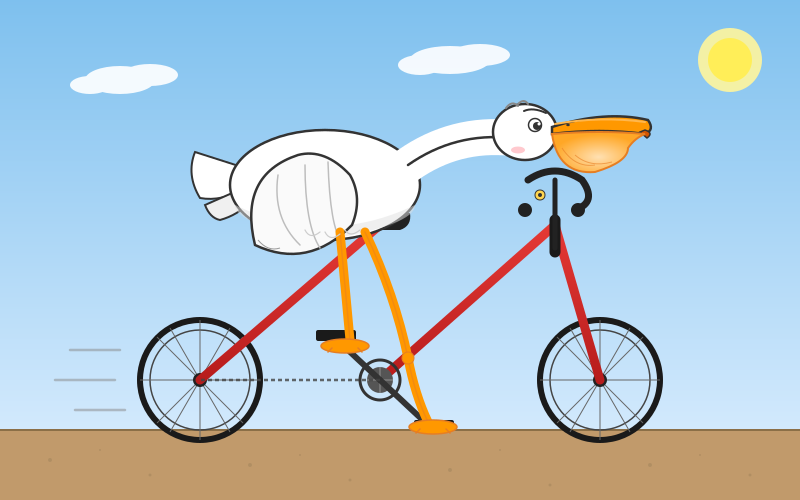
Generate an SVG of a pelican riding a bicycle

Watch
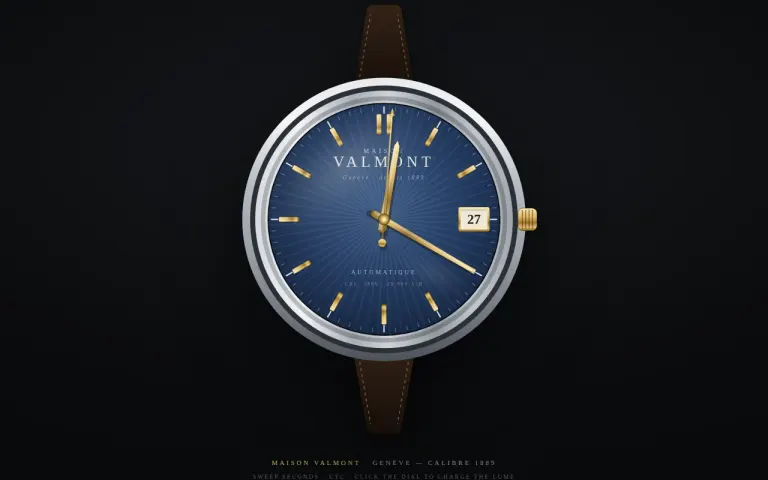
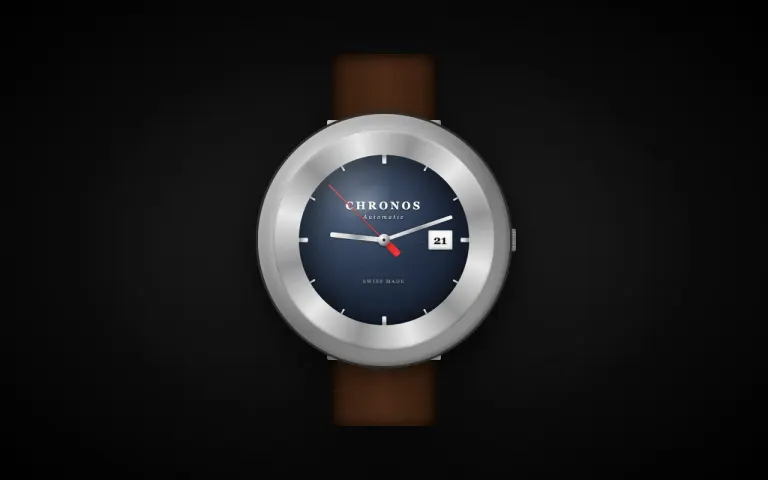
Draw a mechanical wristwatch that shows the current local time, with a sweeping seconds hand and a date window. Make it look expensive.
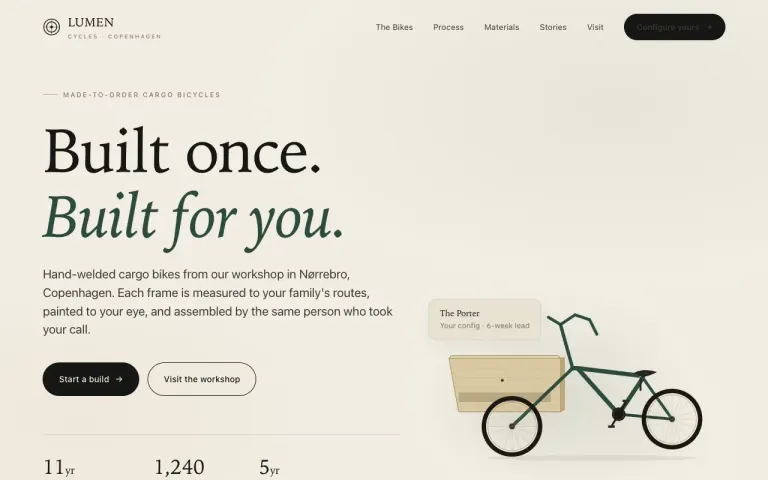
Landing
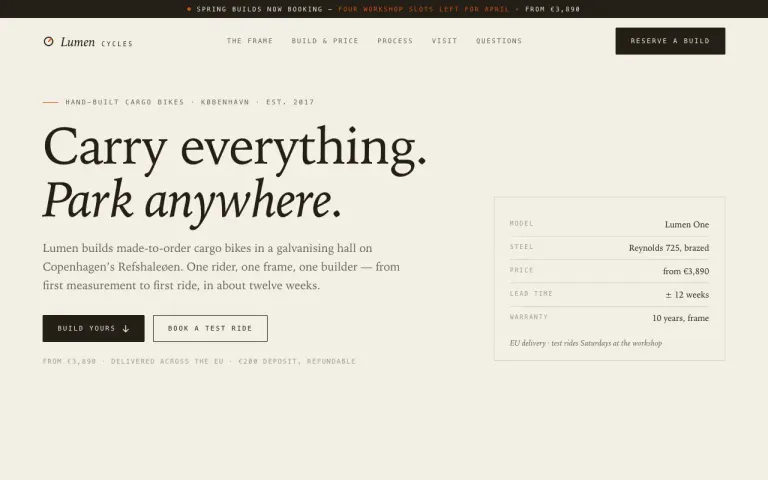
Build the landing page for Lumen Cycles, a Copenhagen workshop that builds custom cargo bikes to order. Make it look like a real brand you would trust with 4,000 euros.
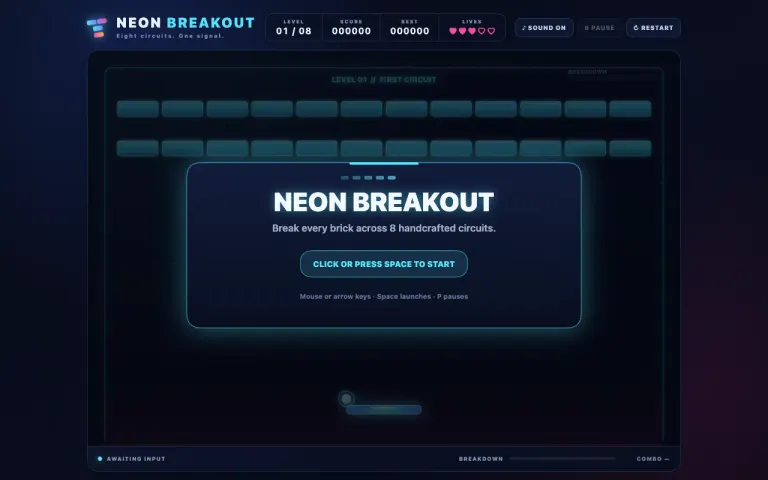
Breakout
Make a Breakout game I can play right now with the keyboard or the mouse. Give it several levels, a score and some juice.

Blank first frame. Press Run.
Logo
Design a logo for Night Heron, an independent bookshop that only opens after dark.


About
Write the opening of the About us page for Patchbay, a three-person studio in Rotterdam that repairs vintage synthesizers. About 150 words.
Patchbay is a three-person workshop in Rotterdam where vintage synthesizers come back to life. Whatever lands on our bench — a battered Minimoog, a Juno with dead keys, an ARP silent since the eighties — gets the same treatment: careful diagnosis, honest advice, and repairs done right.
We started Patchbay because we believe a good synthesizer shouldn't die of old age. These machines are more than circuits and sliders — they're the sound of records you grew up with, and the reason some of us got into music in the first place. Every one we fix goes back out into the world ready to make more.
Between us we handle everything from recapping and calibration to keybed work and the hunt for parts nobody has made in decades. It's slow, meticulous work, and we like it that way. If something in your collection hums, crackles, or refuses to turn on, bring it in — we'll see what we can do.
Patchbay began in a cluttered apartment in Rotterdam, where three friends spent weekends coaxing old synthesizers back to life. What started as a shared obsession quickly outgrew the living room. In 2016, we opened our first proper workshop in a converted warehouse on the south side of the city, and we have been soldering, calibrating, and listening closely ever since.
We are a small team of three. Niels handles the analog work, coaxing warm tones from aging oscillators and reluctant filters. Marijn focuses on digital systems and the occasional stubborn MIDI quirk. Sanna manages restorations, sourcing rare components and keeping long projects on track. Between us, we have decades of experience with the machines that shaped electronic music.
Every synth that passes through our doors carries decades of sound inside it. Our job is to make sure that story continues.