DeepSeek V4.1 Flash vs Kimi K3
DeepSeek V4.1 Flash took 9 min 16 s and $0.063 at list price, Kimi K3 took 22 min 52 s and $1.92 at list price. Kimi K3 took 2.5× as long and cost 30× as much.
DeepSeek V4.1 Flash
DeepSeek · $0.5/M out · 1,482 HN pts
Kimi K3
Moonshot AI · $15/M out · 9,870 HN pts
Pelican
Generate an SVG of a pelican riding a bicycle


Watch
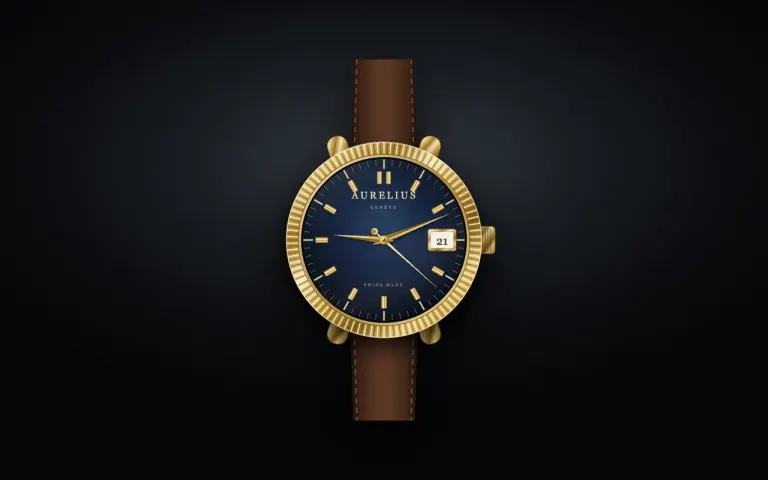
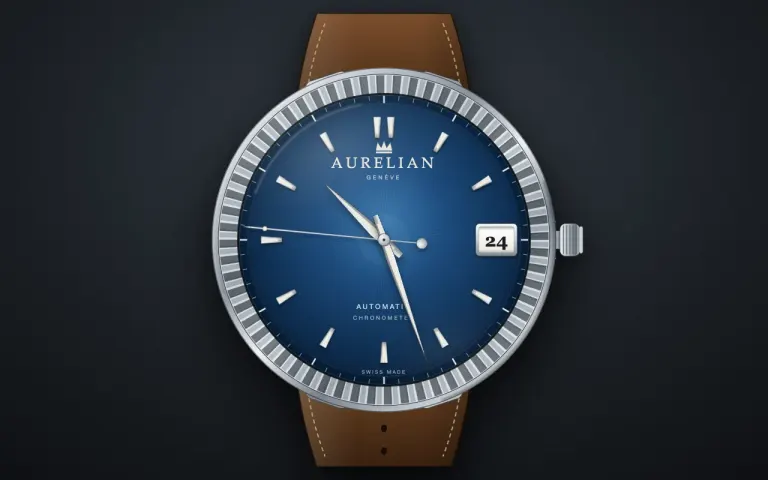
Draw a mechanical wristwatch that shows the current local time, with a sweeping seconds hand and a date window. Make it look expensive.
Landing
Build the landing page for Lumen Cycles, a Copenhagen workshop that builds custom cargo bikes to order. Make it look like a real brand you would trust with 4,000 euros.


Breakout
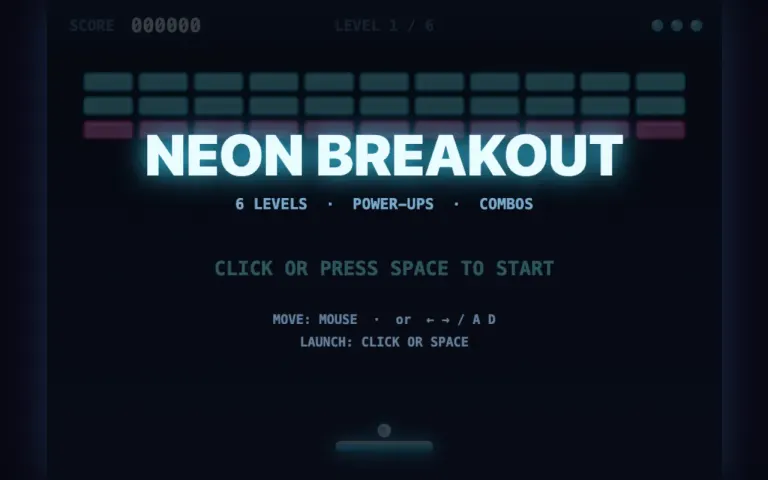
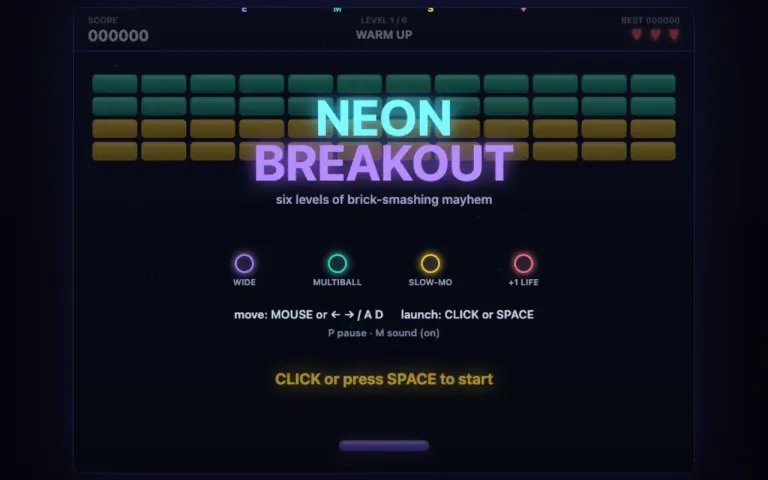
Make a Breakout game I can play right now with the keyboard or the mouse. Give it several levels, a score and some juice.
Logo
Design a logo for Night Heron, an independent bookshop that only opens after dark.


About
Write the opening of the About us page for Patchbay, a three-person studio in Rotterdam that repairs vintage synthesizers. About 150 words.
Patchbay is a three-person studio in Rotterdam dedicated to the care, repair, and resurrection of vintage synthesizers. We started in a small workshop near the Maas, surrounded by oscillators, patch cables, and service manuals, because these instruments deserve more than dusty shelves and hasty fixes. Between us, we have decades of experience in electronics, sound design, and restoration, but we approach every machine with the same curiosity: listen first, trace the signal, understand the history, then bring it back to life. Whether it's a crackly filter, a dead voice card, a drifting oscillator, or a power supply that needs rebuilding, we work carefully, honestly, and with respect for original character. We also advise on maintenance, calibrate tuning and envelopes, and source hard-to-find parts when possible. At Patchbay, repair isn't just about making sound again. It's about keeping these instruments making music for decades to come.
Patchbay is a small workshop in Rotterdam where old synthesizers come back to life. We are three people — a former recording engineer, a self-taught circuit obsessive, and a classically trained pianist who fell in love with broken machines — and between us we have spent decades coaxing sound out of equipment the rest of the world gave up on.
We started Patchbay because we kept meeting the same problem: beloved instruments sitting silent in attics and studio corners, written off as unfixable. A Juno with a dead voice chip. A Prophet that drifts out of tune. A Moog that hums when it shouldn't. To us, none of these are lost causes. They are instruments with history in them, and they deserve careful hands, original parts where possible, and honest work.
Every synth that leaves our bench is played, tested, and listened to — because that is what it was made for.