Ember-1 vs Claude Opus 5.5
Ember-1 took 25 min 56 s and $1.78 at list price, Claude Opus 5.5 took 11 min 46 s and $1.57 at list price. Ember-1 took 2.2× as long and cost 1.1× as much.
Ember-1
Fireworks · $15/M out · 589 HN pts
Claude Opus 5.5
Anthropic · $20/M out · 2,737 HN pts
Only Claude Opus 5.5 has CLI runs here (Claude Code).
Pelican
Generate an SVG of a pelican riding a bicycle


Watch
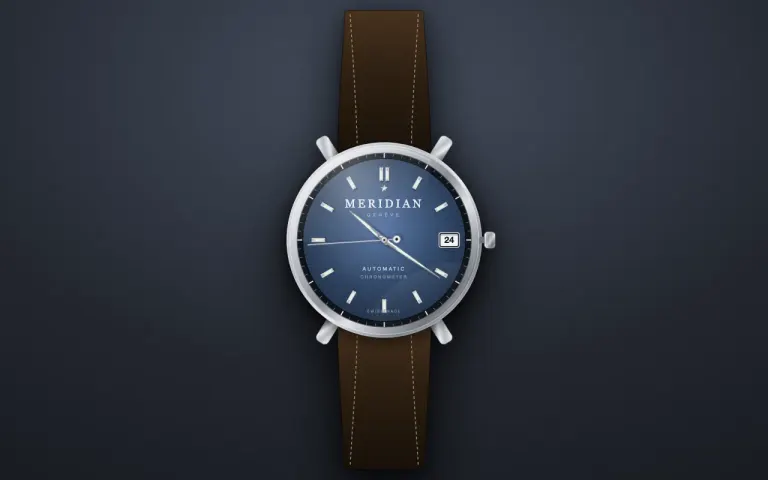
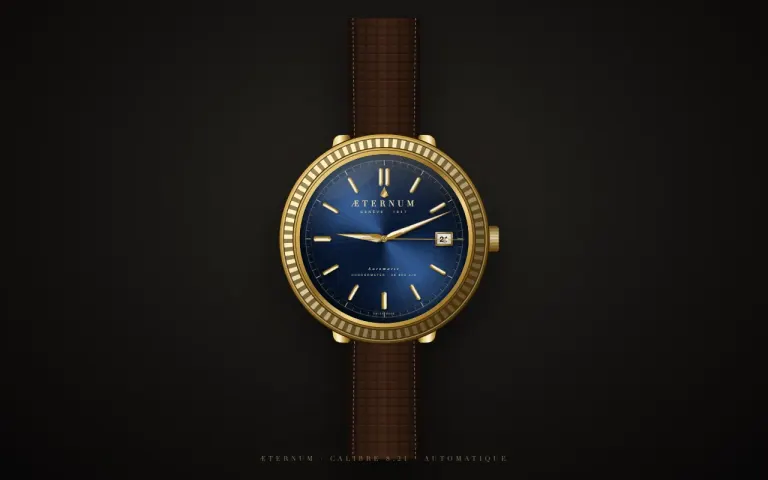
Draw a mechanical wristwatch that shows the current local time, with a sweeping seconds hand and a date window. Make it look expensive.
Landing
Build the landing page for Lumen Cycles, a Copenhagen workshop that builds custom cargo bikes to order. Make it look like a real brand you would trust with 4,000 euros.


Breakout
Make a Breakout game I can play right now with the keyboard or the mouse. Give it several levels, a score and some juice.


Logo
Design a logo for Night Heron, an independent bookshop that only opens after dark.


About
Write the opening of the About us page for Patchbay, a three-person studio in Rotterdam that repairs vintage synthesizers. About 150 words.
Patchbay is a three-person workshop in Rotterdam dedicated to keeping vintage synthesizers alive. We work on the machines that shaped electronic music — analog polysynths, temperamental drum machines, early digital oddities — replacing tired capacitors, rebuilding keybeds, and coaxing silent oscillators back into tune.
Between us we bring decades of experience in electronics, instrument design, and music-making, but what unites us is simpler: we believe these machines were built to be played, not displayed. Every repair happens by hand at our benches, with period-correct components wherever possible and thoughtful modern solutions where reliability demands it. We test everything the only way that matters — by listening.
Whether your Juno has lost a voice, your 808 has lost its kick, or a flea-market find needs a full restoration, we treat each instrument as if it were heading back to a studio, a stage, and a long life of making noise. Because it is.
Patchbay is three people in a narrow workshop near the Maas in Rotterdam. Every day we open up instruments that were built before most of their current owners were born. Some arrive in flight cases and some come wrapped in old bath towels. Most have a story: a Juno that went quiet halfway through a gig, a Minimoog left in someone's attic for thirty years, or a modular system that a previous technician gave up on.
We started Patchbay because we kept seeing good synthesizers sent off as "unrepairable" when all they needed was patience, a schematic and a steady hand. We swap out dried capacitors, hunt for intermittent faults, recalibrate oscillators until they track properly again, and source or rebuild parts that stopped being made decades ago.
We don't try to make old machines sound new. Our job is to make them sound like themselves again, and to make sure they keep working for the next person who plays them.