Kimi K3.1 Pro vs GPT-6.1 Sol
Kimi K3.1 Pro took 32 min 17 s and $1.27 at list price, GPT-6.1 Sol took 12 min 10 s and $0.37 at list price. Kimi K3.1 Pro took 2.7× as long and cost 3.4× as much.
Kimi K3.1 Pro
Moonshot AI · $10/M out · 1,168 HN pts
GPT-6.1 Sol
OpenAI · $10/M out · 1,166 HN pts
Pelican
Generate an SVG of a pelican riding a bicycle


Watch
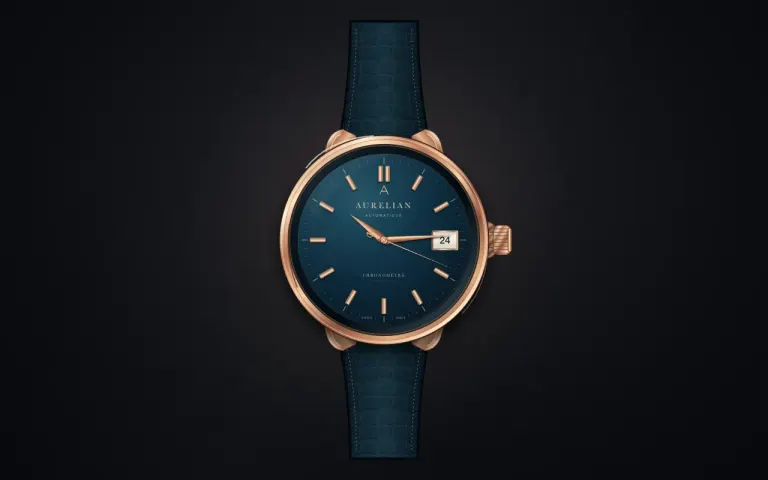
Draw a mechanical wristwatch that shows the current local time, with a sweeping seconds hand and a date window. Make it look expensive.

Landing
Build the landing page for Lumen Cycles, a Copenhagen workshop that builds custom cargo bikes to order. Make it look like a real brand you would trust with 4,000 euros.


Breakout
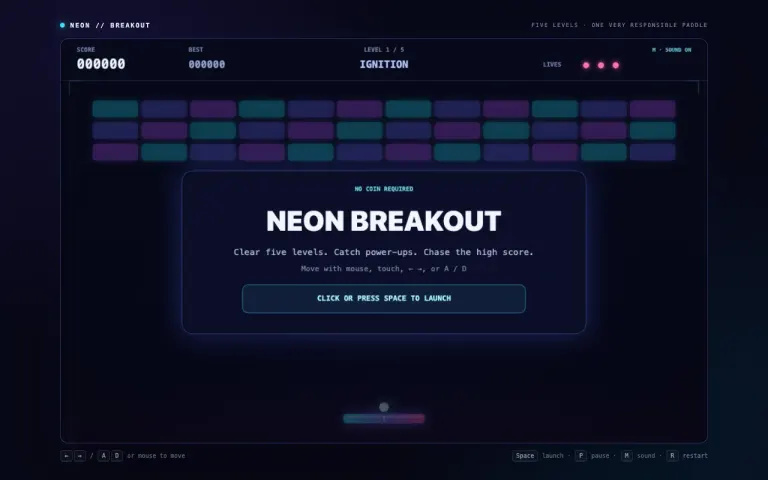
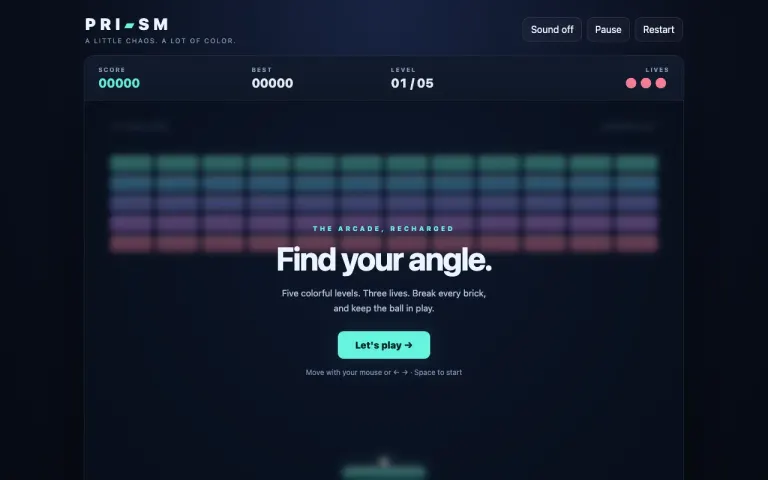
Make a Breakout game I can play right now with the keyboard or the mouse. Give it several levels, a score and some juice.
Logo
Design a logo for Night Heron, an independent bookshop that only opens after dark.


About
Write the opening of the About us page for Patchbay, a three-person studio in Rotterdam that repairs vintage synthesizers. About 150 words.
Patchbay is a three-person studio in Rotterdam devoted to keeping vintage synthesizers alive, playable, and full of character. We work on instruments that have spent decades in studios, bedrooms, and tour cases, and we believe each one deserves more than a quick fix. From drifting oscillators and noisy sliders to tired keybeds and mysterious faults, we take the time to listen, diagnose, and repair with care.
Our approach combines patient troubleshooting, period-correct components where possible, and a deep respect for the original sound. We do not believe in erasing an instrument’s history; we preserve the quirks that make it worth loving. Whether your synthesizer needs a full overhaul or a little help getting back on stage, you will always know who is working on it and why. Patchbay exists for the joy of switching on an old machine and hearing it come back to life.
Patchbay is a three-person studio in Rotterdam, keeping vintage synthesizers in working hands. We repair the instruments that have picked up a crackle, lost a voice, drifted out of tune, or stopped making sound altogether.
We like the patient side of repair: tracing a fault, understanding an old circuit, and finding the right fix rather than the quickest workaround. Our aim is to make each instrument dependable without sanding away the character that made someone fall for it in the first place.
Some synths arrive with a clear problem. Others come with a story and a noise that only happens after twenty minutes. Either way, the work starts with listening—to the instrument and to the person who plays it.
We’re a small studio by choice. It keeps us close to the work, and to the musicians who trust us with something they want to keep making music with.