MiniMax M3.1 Flash vs Claude Haiku 5.5
MiniMax M3.1 Flash took 23 min 37 s and $0.095 at list price, Claude Haiku 5.5 took 4 min 43 s and $0.035 at list price. MiniMax M3.1 Flash took 5.0× as long and cost 2.7× as much.
MiniMax M3.1 Flash
MiniMax · $0.60/M out · 550 HN pts
Claude Haiku 5.5
Anthropic · $0.50/M out · 1,071 HN pts
Pelican
Generate an SVG of a pelican riding a bicycle


Watch
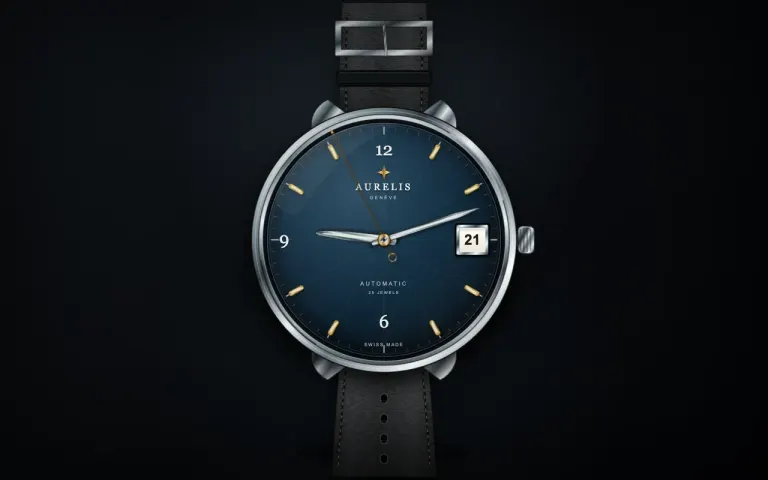
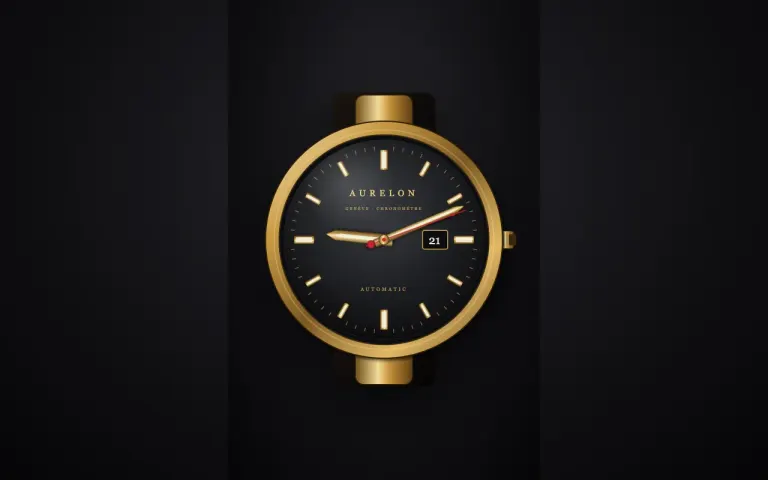
Draw a mechanical wristwatch that shows the current local time, with a sweeping seconds hand and a date window. Make it look expensive.
Landing
Build the landing page for Lumen Cycles, a Copenhagen workshop that builds custom cargo bikes to order. Make it look like a real brand you would trust with 4,000 euros.


Breakout
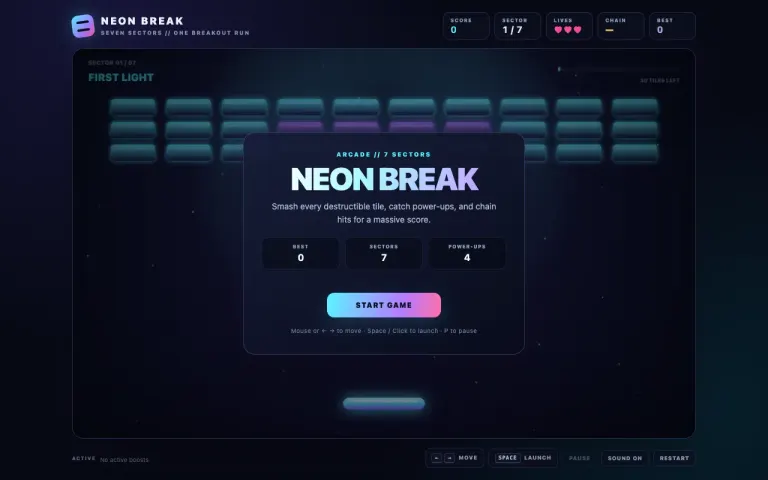
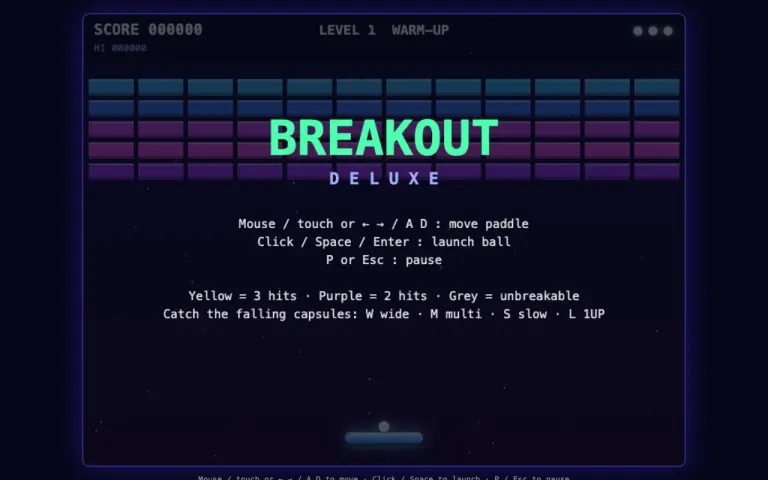
Make a Breakout game I can play right now with the keyboard or the mouse. Give it several levels, a score and some juice.
Logo
Design a logo for Night Heron, an independent bookshop that only opens after dark.


About
Write the opening of the About us page for Patchbay, a three-person studio in Rotterdam that repairs vintage synthesizers. About 150 words.
Patchbay is a three-person studio in Rotterdam dedicated to bringing vintage synthesizers back to life. We repair analog and digital instruments that shaped the sound of music, from classic drum machines and polyphonic synths to quirky, characterful machines that rarely leave a musician’s side. Our work combines technical knowledge with respect for each instrument’s history, because a synth is more than a circuit board: it carries the decisions, compromises, and personality of its original design.
We diagnose faults, restore unreliable voices, and carefully service aging components without erasing the character that made an instrument worth keeping. Whether a machine has been silent for years or simply needs a thoughtful tune-up, we treat every repair as a careful act of restoration.
Based in Rotterdam, Patchbay works with musicians, studios, collectors, and anyone who believes electronic instruments deserve another chapter. We restore them to sound as they should, preserving the details that make each one unique.
Patchbay is a three-person studio in Rotterdam, and we spend our days inside vintage synthesizers. We are repair technicians first: we open the cases, replace the leaking capacitors, re-tune the oscillators that have drifted out of pitch, and bring back the filters that went silent decades ago. Our bench is crowded with service manuals, spare chips, and a soldering station that has seen more Moog panels than we can count. We started the studio because we kept meeting musicians whose favourite instruments sat unused in cupboards, not because they were broken beyond saving but because nobody nearby knew how to fix them. We still believe most of these machines can be made to sing again, and we would rather spend an afternoon finding the one bad resistor than see another good synth end up in a skip.
Specs and numbers
| MiniMax M3.1 Flash | Claude Haiku 5.5 | |
|---|---|---|
| Maker | MiniMax | Anthropic |
| Made in | China | US |
| Released | 19 Oct 2026 | 7 Oct 2026 |
| Price in, per M tokens | $0.15 | $0.10 |
| Price out, per M tokens | $0.60 | $0.50 |
| Context | 1,048,576 tokens | 1,000,000 tokens |
| Weights | open | closed |
| Hacker News points | 550 | 1,071 |
| Time for the six prompts | 23 min 37 s | 4 min 43 s |
| List price of the six prompts | $0.095 | $0.035 |
Claude Haiku 5.5 was cheaper: $0.059 less at list price, and less on each of the 6 prompts. Claude Haiku 5.5 was faster: 18 min 54 s less in total, and faster on each of the 6 prompts.
In the recording, both Breakout games play.
Rebuild this screen experiment: MiniMax M3.1 Flash's rebuild matched the screenshot at 78%; Claude Haiku 5.5 was not in it. Tea Garden experiment: MiniMax M3.1 Flash's game passed 5 of 5 checks; Claude Haiku 5.5 was not in it.