Ling 3.1 Flash vs Claude Sonnet 5.5
Ling 3.1 Flash took 75 min 28 s and $0.055 at list price, Claude Sonnet 5.5 took 3 min 49 s and $0.34 at list price. Ling 3.1 Flash took 20× as long, and Claude Sonnet 5.5 cost 6.2× as much.
Ling 3.1 Flash
inclusionAI · $0.225/M out · 1 HN pts
Claude Sonnet 5.5
Anthropic · $10.00/M out · 9 HN pts
Only Claude Sonnet 5.5 has CLI runs here (Claude Code).
Pelican
Generate an SVG of a pelican riding a bicycle


Watch
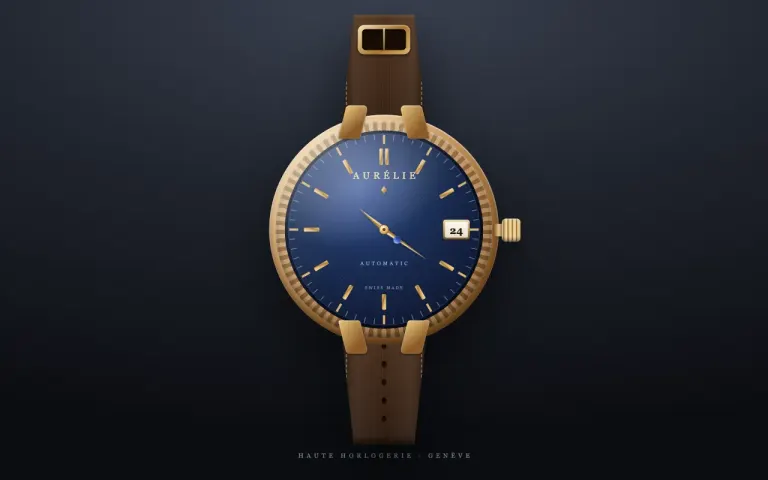
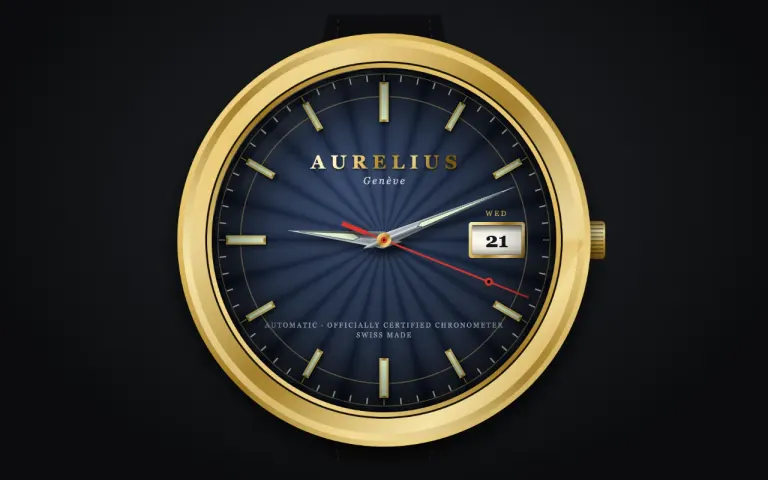
Draw a mechanical wristwatch that shows the current local time, with a sweeping seconds hand and a date window. Make it look expensive.
Landing
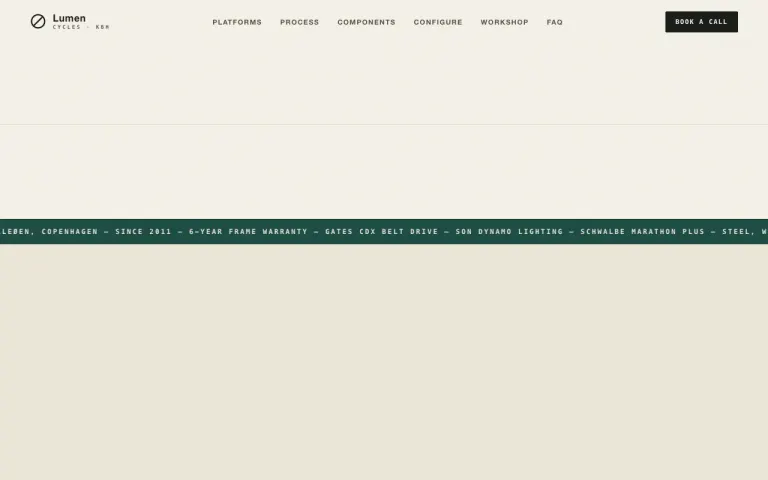
Build the landing page for Lumen Cycles, a Copenhagen workshop that builds custom cargo bikes to order. Make it look like a real brand you would trust with 4,000 euros.

Breakout
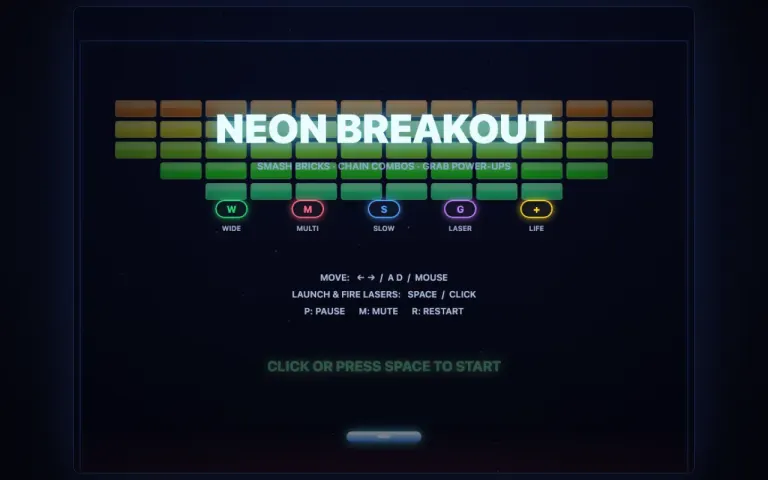
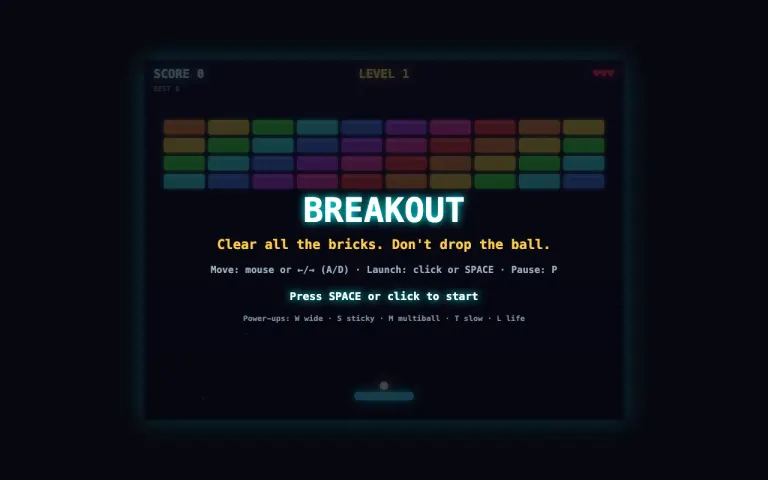
Make a Breakout game I can play right now with the keyboard or the mouse. Give it several levels, a score and some juice.
Logo
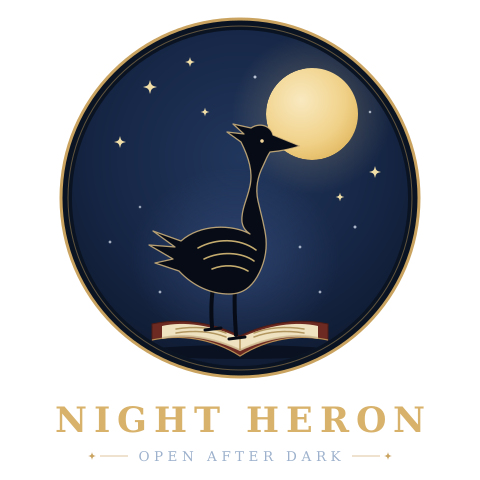
Design a logo for Night Heron, an independent bookshop that only opens after dark.

About
Write the opening of the About us page for Patchbay, a three-person studio in Rotterdam that repairs vintage synthesizers. About 150 words.
Patchbay is a small repair studio in Rotterdam dedicated to keeping vintage synthesizers alive. We are three people — a technician, a historian, and a musician — who believe that the instruments built in the 1960s, 70s, and 80s still have decades of sound left in them, if someone is willing to care for them properly.
We work on everything from early Moogs and Arps to Roland Junos and Oberheim OB-series, handling everything from dead power supplies and leaky batteries to full recaps and voice board restoration. Our workshop is small by design. We take on a limited number of instruments at a time, which means every synth that comes through our door gets our full attention.
Most of our clients are working musicians, collectors, and small studios across Europe, but we also welcome instruments with stories we'd love to hear. If you have a piece of synth history that needs care, we'd be glad to talk.
Patchbay is three people in a workshop in Rotterdam, trying to keep old synthesizers alive. We repair, restore and recalibrate the instruments that shaped electronic music: Moogs and Oberheims, Rolands and Sequential Circuits, the odd temperamental Soviet oddity that someone found in an attic.
Most of what lands on our benches has been silent for years. A crackling pot, a drifting oscillator, a power supply that gave up in 1994. Some come from working musicians who need their instrument back before the next tour. Others come from people who inherited a dusty box from a parent and want to hear what it sounds like.
We work slowly and by hand. We trace faults with a scope and a schematic, source or rebuild parts when originals are gone, and change as little as we can. Every synth leaves with a note describing exactly what we did, so the next person to open it knows where we have been.
Come by, bring your synth, and stay for coffee.
Specs and numbers
| Ling 3.1 Flash | Claude Sonnet 5.5 | |
|---|---|---|
| Maker | inclusionAI | Anthropic |
| Made in | China | US |
| Released | 2 Oct 2026 | 28 Sep 2026 |
| Price in, per M tokens | $0.075 | $2.00 |
| Price out, per M tokens | $0.225 | $10.00 |
| Context | 1,000,000 tokens | 1,000,000 tokens |
| Weights | closed | closed |
| Hacker News points | 1 | 9 |
| Time for the six prompts | 75 min 28 s | 3 min 49 s |
| List price of the six prompts | $0.055 | $0.34 |
Ling 3.1 Flash was cheaper: $0.29 less at list price, and less on each of the 6 prompts. Claude Sonnet 5.5 was faster: 71 min 39 s less in total, and faster on each of the 6 prompts.
In the recording, both Breakout games play.
Rebuild this screen experiment: Claude Sonnet 5.5's rebuild matched the screenshot at 94%; Ling 3.1 Flash was not in it. Tea Garden experiment: Claude Sonnet 5.5's game passed 5 of 5 checks; Ling 3.1 Flash was not in it.