Xing 4.0 vs Ember-1
Xing 4.0 took 25 min 32 s and was free at list price, Ember-1 took 22 min 38 s and $1.56 at list price. Xing 4.0 took 1.1× as long.
Pelican
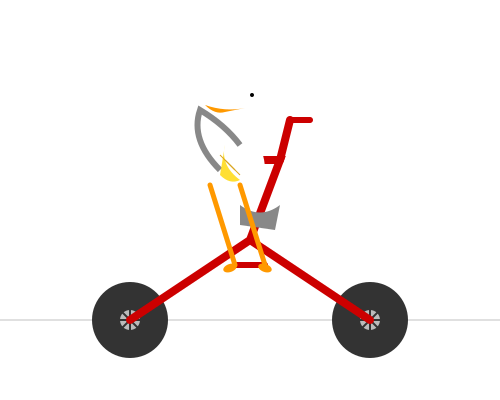
Generate an SVG of a pelican riding a bicycle

Watch
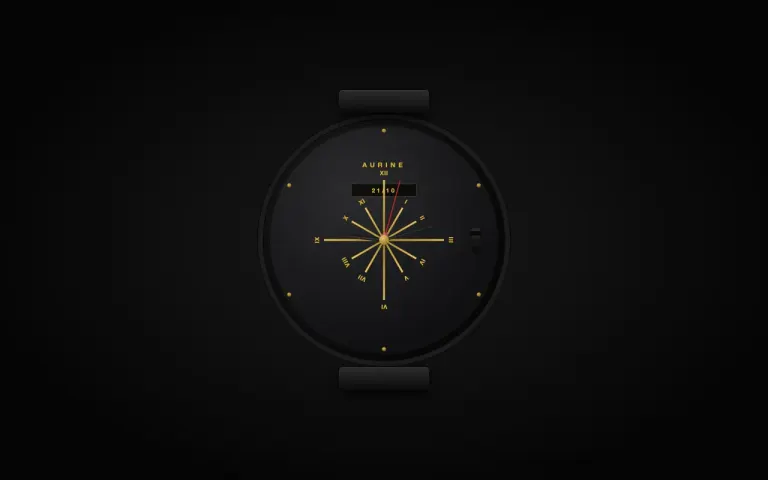
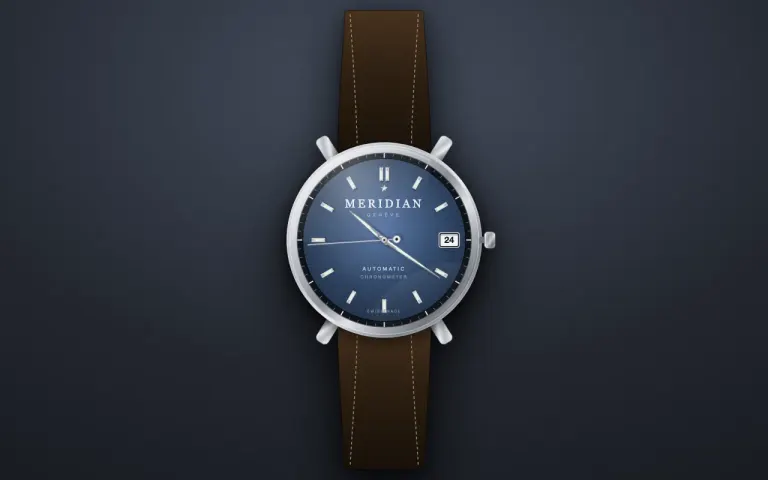
Draw a mechanical wristwatch that shows the current local time, with a sweeping seconds hand and a date window. Make it look expensive.
Landing
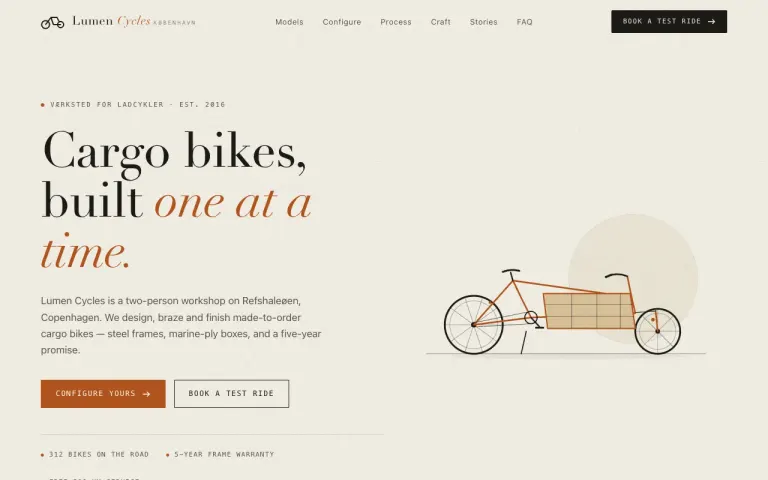
Build the landing page for Lumen Cycles, a Copenhagen workshop that builds custom cargo bikes to order. Make it look like a real brand you would trust with 4,000 euros.

Breakout
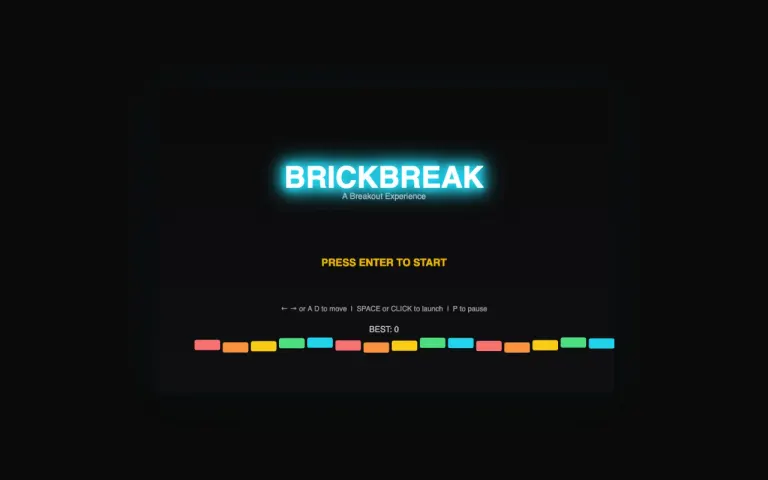
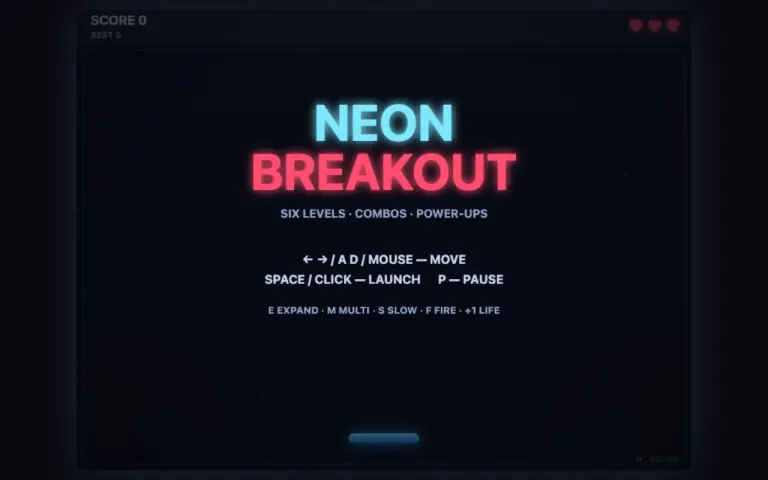
Make a Breakout game I can play right now with the keyboard or the mouse. Give it several levels, a score and some juice.
About
Write the opening of the About us page for Patchbay, a three-person studio in Rotterdam that repairs vintage synthesizers. About 150 words.
Patchbay is a compact, three-person workshop rooted in the dynamic streets of Rotterdam, born from a shared reverence for analog sound. Our team shares an unwavering dedication to vintage synthesizers, viewing each oscillator, filter, and routing cable as a vital piece of sonic history waiting to be restored. Whether diagnosing a failing voltage regulator or carefully retrofitting obsolete components, we take immense pride in bringing classic instruments back to their full potential. In our studio, repairing isn't just a technical service—it is a shared passion among friends who believe the past deserves to keep playing. We meticulously diagnose and revive legacy synths, ensuring the iconic sounds of yesterday continue shaping today’s electronic music. Bring us your dented, broken machines, and let us help you reconnect them with the rich, unmistakable sounds they were always meant to make. Every patch, every knob, every fleeting tone depends on the work we do here.
Patchbay is a three-person workshop in Rotterdam dedicated to keeping vintage synthesizers alive. We work on the machines that shaped electronic music — analog polysynths, temperamental drum machines, early digital oddities — replacing tired capacitors, rebuilding keybeds, and coaxing silent oscillators back into tune.
Between us we bring decades of experience in electronics, instrument design, and music-making, but what unites us is simpler: we believe these machines were built to be played, not displayed. Every repair happens by hand at our benches, with period-correct components wherever possible and thoughtful modern solutions where reliability demands it. We test everything the only way that matters — by listening.
Whether your Juno has lost a voice, your 808 has lost its kick, or a flea-market find needs a full restoration, we treat each instrument as if it were heading back to a studio, a stage, and a long life of making noise. Because it is.
Specs and numbers
| Xing 4.0 | Ember-1 | |
|---|---|---|
| Maker | XingChen | Fireworks |
| Made in | China | US |
| Released | 16 Oct 2026 | 24 Sep 2026 |
| Price in, per M tokens | free route (list $0/M) | $3.00 |
| Price out, per M tokens | free route (list $0/M) | $15.00 |
| Context | 262,144 tokens | 1,048,576 tokens |
| Weights | open | closed |
| Hacker News points | — | 589 |
| Time for the five prompts | 25 min 32 s | 22 min 38 s |
| List price of the five prompts | free | $1.56 |
Xing 4.0 was free at list price; Ember-1 cost $1.56. Ember-1 was faster: 2 min 54 s less in total, and faster on 3 of the 5 prompts.
In the recording, both Breakout games play. Xing 4.0's landing page showed a blank first frame when the still was taken. Xing 4.0 has no logo: doesn’t draw (an SVG file without the SVG namespace, which browsers draw as an empty box).
Rebuild this screen experiment: Ember-1's rebuild matched the screenshot at 67%; Xing 4.0 was not in it. Tea Garden experiment: Ember-1's game passed 5 of 5 checks; Xing 4.0 was not in it.