Mistral Large 4 vs Kimi K3
Mistral Large 4 took 51 min 22 s and $0.61 at list price, Kimi K3 took 22 min 52 s and $1.92 at list price. Mistral Large 4 took 2.2× as long, and Kimi K3 cost 3.1× as much.
Mistral Large 4
Mistral · $2.1/M out · 4,642 HN pts
Kimi K3
Moonshot AI · $15/M out · 9,870 HN pts
Pelican
Generate an SVG of a pelican riding a bicycle


Watch
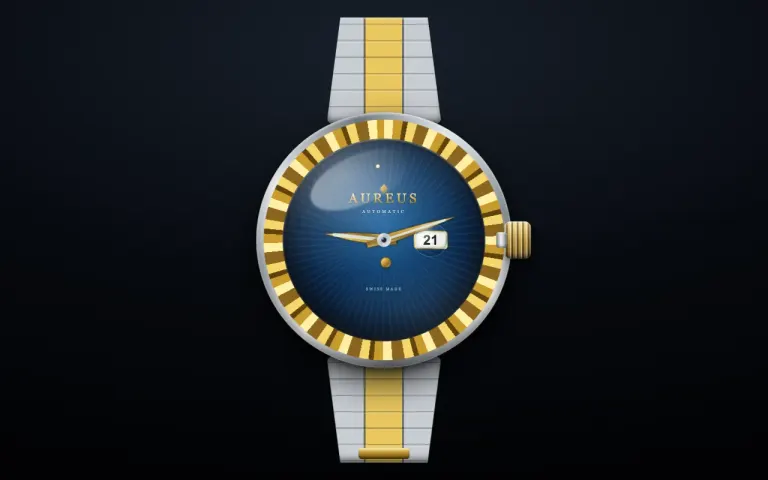
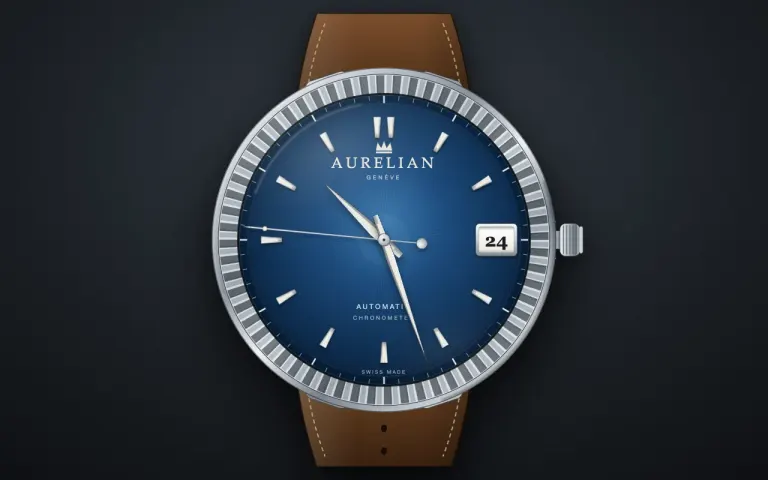
Draw a mechanical wristwatch that shows the current local time, with a sweeping seconds hand and a date window. Make it look expensive.
Landing
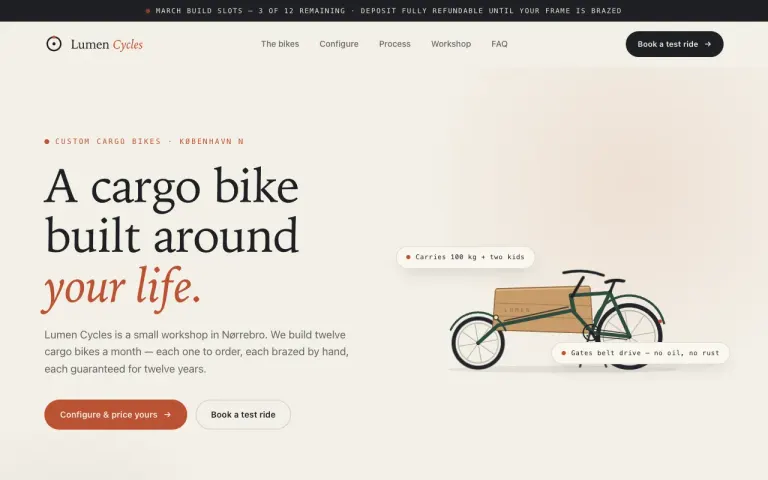
Build the landing page for Lumen Cycles, a Copenhagen workshop that builds custom cargo bikes to order. Make it look like a real brand you would trust with 4,000 euros.

Breakout
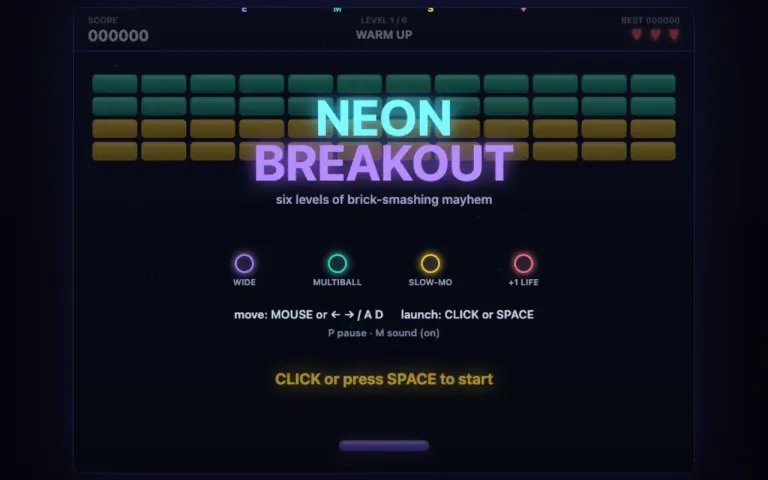
Make a Breakout game I can play right now with the keyboard or the mouse. Give it several levels, a score and some juice.

Logo
Design a logo for Night Heron, an independent bookshop that only opens after dark.


About
Write the opening of the About us page for Patchbay, a three-person studio in Rotterdam that repairs vintage synthesizers. About 150 words.
Patchbay sits in a former warehouse on Rotterdam's northern edge, where the Maas meets the industrial harbour. Three of us work here—no more, no less—surrounded by oscilloscopes, desoldering stations, and the persistent hum of transformers. We repair vintage synthesizers. That is the whole business.
We are not a museum, and we are not a factory. Every Minimoog, ARP 2600, or Juno that crosses our bench receives the same stubborn attention: traced schematics, replaced capacitors, calibrated voltages, hours spent listening for the note that was never quite right. The machines arrive broken, silent, forgotten. They leave singing.
Rotterdam built its reputation on moving heavy things and keeping them moving. We apply the same pragmatism to circuits that predate us by forty years. If it made sound once, it can make sound again. That is the promise we keep, solder joint by solder joint.
Patchbay is a small workshop in Rotterdam where old synthesizers come back to life. We are three people — a former recording engineer, a self-taught circuit obsessive, and a classically trained pianist who fell in love with broken machines — and between us we have spent decades coaxing sound out of equipment the rest of the world gave up on.
We started Patchbay because we kept meeting the same problem: beloved instruments sitting silent in attics and studio corners, written off as unfixable. A Juno with a dead voice chip. A Prophet that drifts out of tune. A Moog that hums when it shouldn't. To us, none of these are lost causes. They are instruments with history in them, and they deserve careful hands, original parts where possible, and honest work.
Every synth that leaves our bench is played, tested, and listened to — because that is what it was made for.