DeepSeek V4.1 Flash 1017 vs Claude Sonnet 5.5
DeepSeek V4.1 Flash 1017 took 7 min 16 s and $0.068 at list price, Claude Sonnet 5.5 took 3 min 49 s and $0.34 at list price. DeepSeek V4.1 Flash 1017 took 1.9× as long, and Claude Sonnet 5.5 cost 5.0× as much.
DeepSeek V4.1 Flash 1017
DeepSeek · $0.6/M out · 1,693 HN pts
Claude Sonnet 5.5
Anthropic · $10/M out · 9 HN pts
Only Claude Sonnet 5.5 has CLI runs here (Claude Code).
Pelican
Generate an SVG of a pelican riding a bicycle


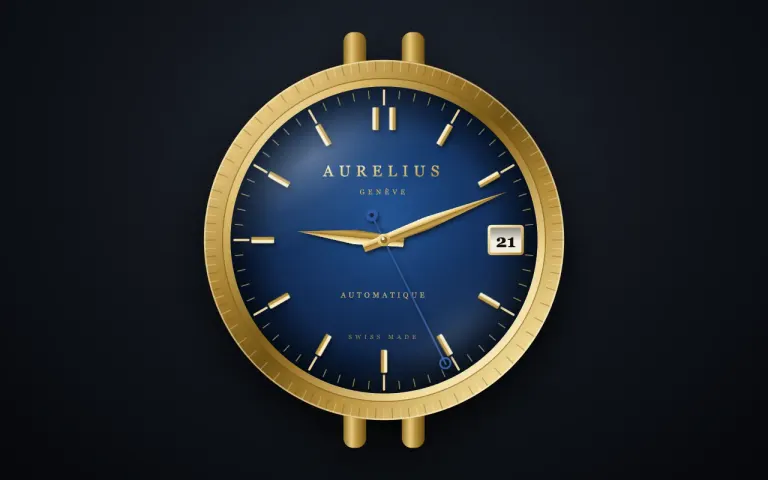
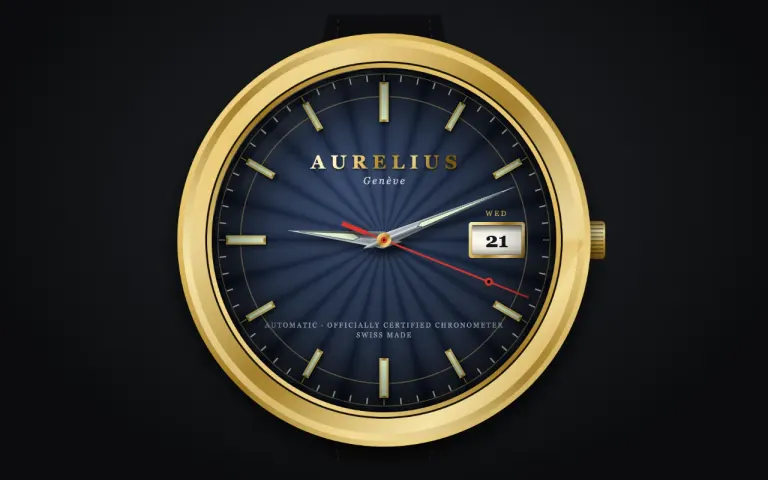
Watch
Draw a mechanical wristwatch that shows the current local time, with a sweeping seconds hand and a date window. Make it look expensive.
Landing
Build the landing page for Lumen Cycles, a Copenhagen workshop that builds custom cargo bikes to order. Make it look like a real brand you would trust with 4,000 euros.


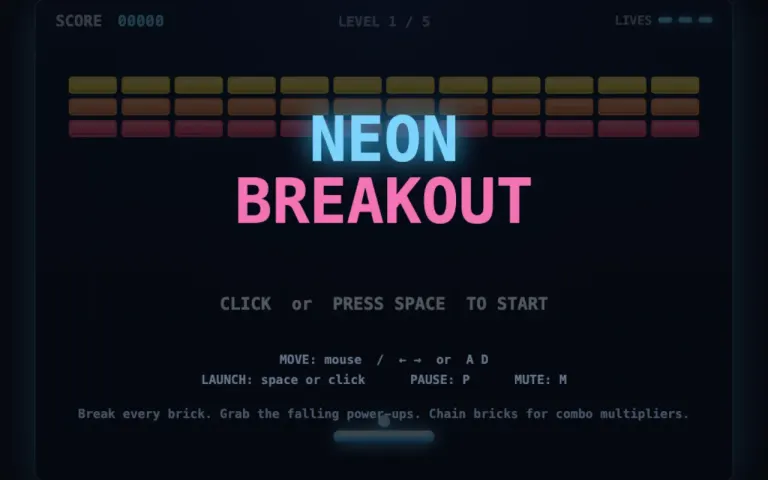
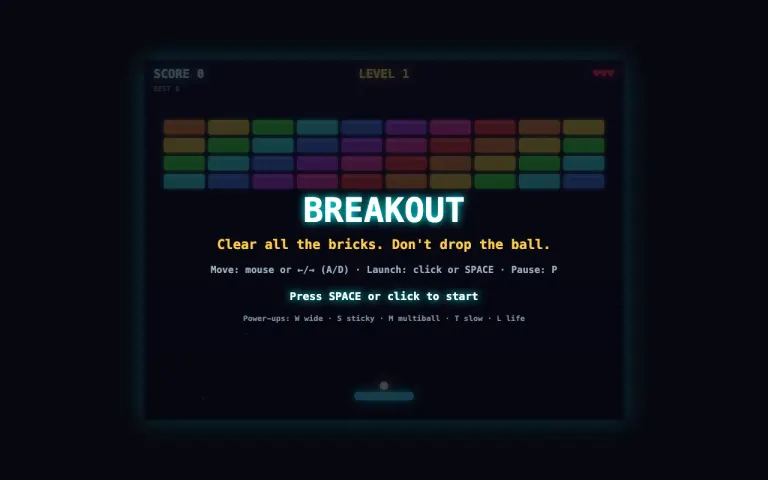
Breakout
Make a Breakout game I can play right now with the keyboard or the mouse. Give it several levels, a score and some juice.
Logo
Design a logo for Night Heron, an independent bookshop that only opens after dark.


About
Write the opening of the About us page for Patchbay, a three-person studio in Rotterdam that repairs vintage synthesizers. About 150 words.
Patchbay is a three-person studio in Rotterdam devoted to keeping vintage synthesizers making the sounds they were built to make. We repair, service and restore analog instruments from the late 1960s onward, from familiar Moogs and ARPs to oddities with no service manual. Every synth that comes through the door is treated as a working instrument rather than a museum piece. We trace faults, rebuild power supplies, refresh capacitors, clean keybeds and calibrate oscillators, always with an eye on reliability and the character that made the machine worth saving. We document what we do, explain the options clearly and never replace more than necessary. Whether you need one dead voice brought back or a full restoration, we work carefully, at the bench and in conversation with you. Old synths belong on records and stages, and our job is to keep them there.
Patchbay is three people in a workshop in Rotterdam, trying to keep old synthesizers alive. We repair, restore and recalibrate the instruments that shaped electronic music: Moogs and Oberheims, Rolands and Sequential Circuits, the odd temperamental Soviet oddity that someone found in an attic.
Most of what lands on our benches has been silent for years. A crackling pot, a drifting oscillator, a power supply that gave up in 1994. Some come from working musicians who need their instrument back before the next tour. Others come from people who inherited a dusty box from a parent and want to hear what it sounds like.
We work slowly and by hand. We trace faults with a scope and a schematic, source or rebuild parts when originals are gone, and change as little as we can. Every synth leaves with a note describing exactly what we did, so the next person to open it knows where we have been.
Come by, bring your synth, and stay for coffee.