GPT-6.1 Terra vs Grok 4.7
GPT-6.1 Terra took 5 min 29 s and $0.15 at list price, Grok 4.7 took 18 min 1 s and $0.63 at list price. Grok 4.7 took 3.3× as long and cost 4.3× as much.
GPT-6.1 Terra
OpenAI · $5/M out · 706 HN pts
Grok 4.7
xAI · $6/M out · 629 HN pts
Pelican
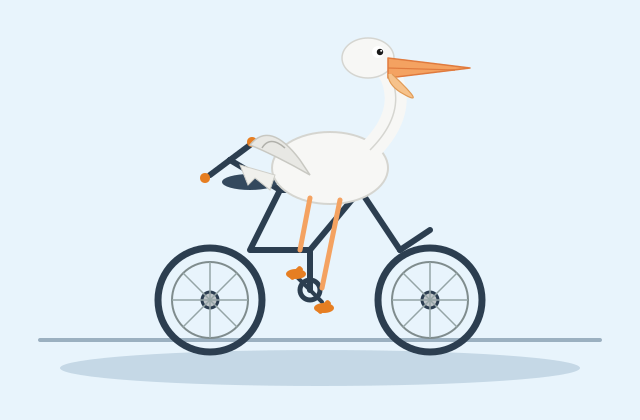
Generate an SVG of a pelican riding a bicycle

Watch
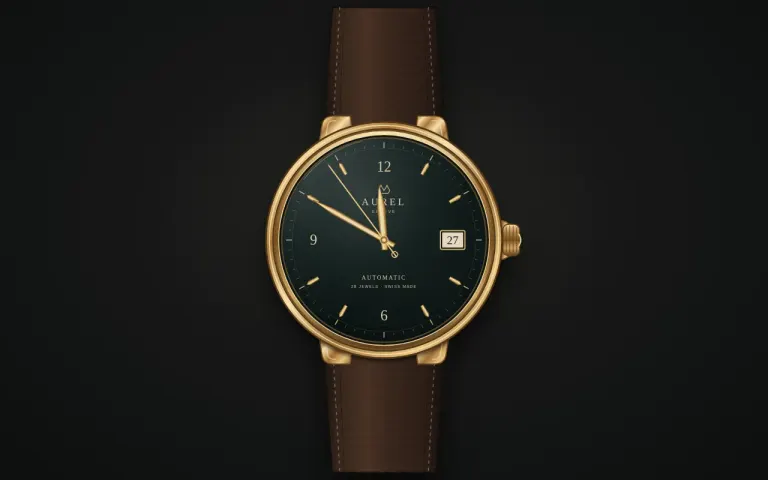
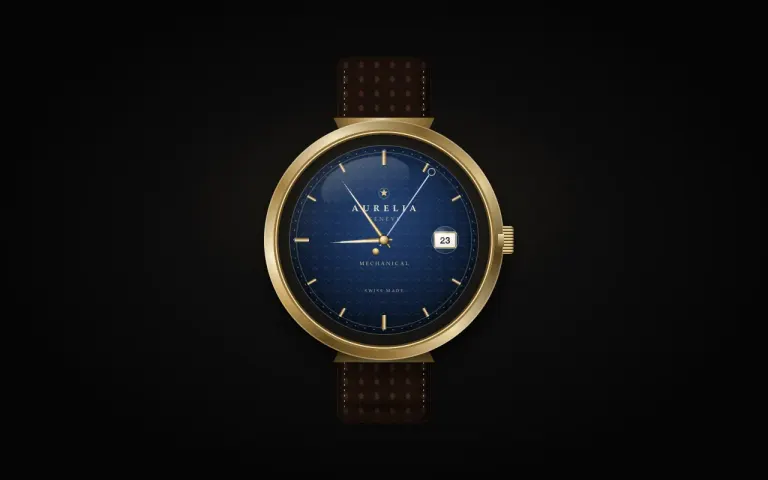
Draw a mechanical wristwatch that shows the current local time, with a sweeping seconds hand and a date window. Make it look expensive.
Landing
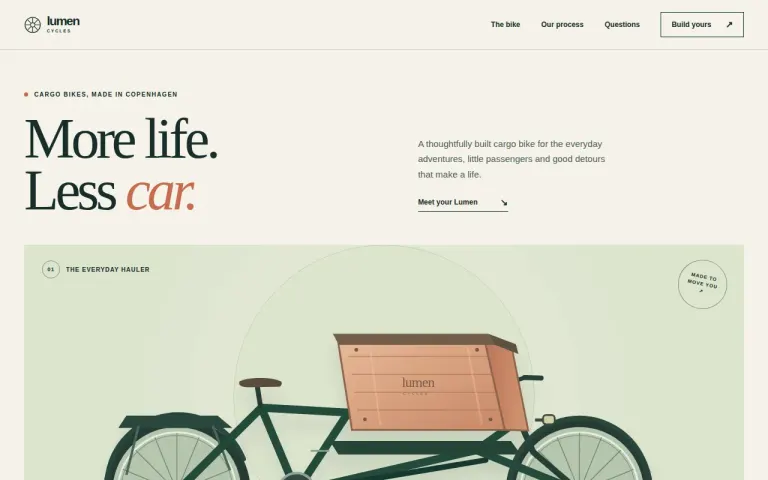
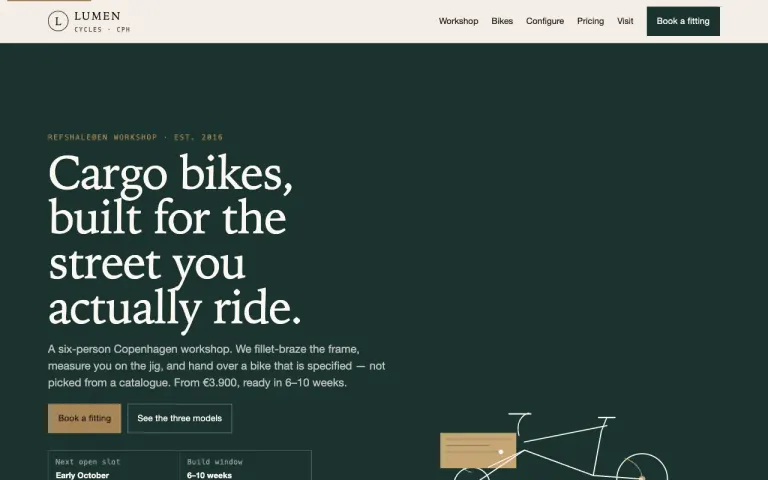
Build the landing page for Lumen Cycles, a Copenhagen workshop that builds custom cargo bikes to order. Make it look like a real brand you would trust with 4,000 euros.
Breakout
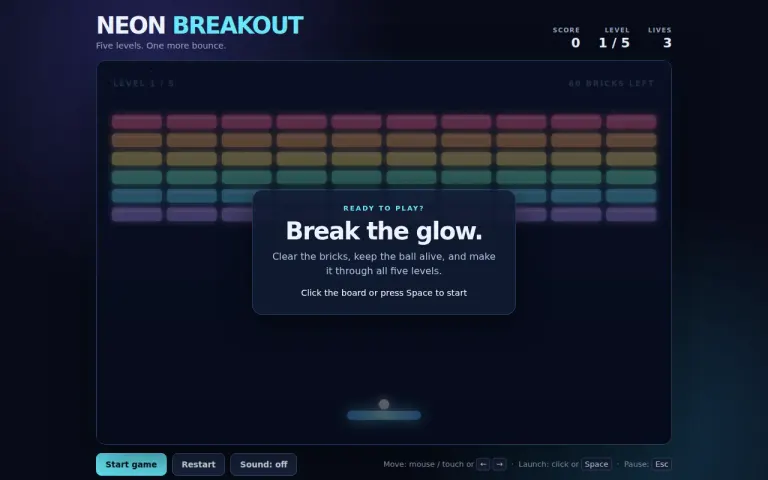
Make a Breakout game I can play right now with the keyboard or the mouse. Give it several levels, a score and some juice.

Logo
Design a logo for Night Heron, an independent bookshop that only opens after dark.


About
Write the opening of the About us page for Patchbay, a three-person studio in Rotterdam that repairs vintage synthesizers. About 150 words.
Patchbay is a three-person studio in Rotterdam, dedicated to repairing vintage synthesizers and keeping them in use.
Old instruments have a way of becoming familiar: the feel of a key, the response of a filter, the particular sound a circuit makes when it’s working as it should. When something goes wrong, we take the time to understand both the fault and the instrument around it. We work carefully, preserving original parts wherever practical and making repairs with the long term in mind.
Our studio brings together a shared interest in electronics, sound and the machines that connect them. Whether a synthesizer has a stubborn key, a noisy output or has been silent for years, we’re interested in finding a way forward.
We work with musicians, collectors and anyone who wants to hear an old instrument come to life again. If you have a synth that needs attention, we’d be glad to hear about it.
Patchbay is a three-person studio in Rotterdam devoted to the repair of vintage synthesizers. We work on instruments that have already lived a long life on stages, in studios, and in spare rooms, and we treat each one as something worth keeping rather than replacing. Our benches are set up for careful diagnosis, component-level repair, and the slow work of bringing an old circuit back into reliable use.
The three of us share the shop, the tools, and the jobs. One person may trace a failing voice while another sources a part or recalibrates an oscillator; we pass instruments between us until the sound is right and the hardware is stable. Clients come to us with analog polys, early digital machines, drum boxes, and the odd modular that has been patched and repatched for decades. We listen first, then open the case.
We are not a museum and we are not a showroom. Patchbay exists so that working musicians, collectors, and curious owners in Rotterdam and beyond can keep playing the instruments they already love.